

EICR stands for Electrical Installation Condition Report, which you need to guarantee your property’s electrical systems are safe and compliant with regulations. This report identifies potential hazards and checks compliance by evaluating your wiring, circuits, and safety devices against national safety standards. Depending on your property type, you might need an EICR completed as frequently as annually or every five years. If you’re a landlord or manage a commercial property, staying updated with EICR certifications is essential for legal compliance and tenant safety. Exploring further, you’ll find how the inspection process guards against common electrical issues and enhances system efficiency.
Key Takeaways
- EICR stands for Electrical Installation Condition Report.
- It evaluates the safety of electrical installations in properties.
- An EICR identifies potential electrical hazards and ensures regulatory compliance.
- The report assesses wiring, circuits, and safety devices.
- Regular EICR inspections are essential for maintaining electrical safety.
Table of Contents
What Does EICR Stand For?
EICR stands for Electrical Installation Condition Report, an essential document evaluating the safety of electrical installations in a property.
As you explore the basics of EICR, you’ll understand its role in identifying potential electrical hazards and ensuring compliance with current wiring regulations.
Basics of EICR
Understanding the EICR is essential for anyone involved in property management or electrical safety. It is a vital document that evaluates the safety of electrical systems in a property. You’ll explore the EICR basics to guarantee thorough compliance and understanding.
EICR involves detailed electrical inspections, focusing on compliance checks against the national safety standards. These inspections involve rigorous wiring evaluations and circuit assessments. The purpose is to identify defects, deterioration, or deviations from the expected safety protocols.
Here’s a breakdown of key elements in an EICR:
| Component | Detail Required | Importance |
| Wiring | Material, condition | Identifies risks |
| Circuits | Configuration, load | Prevents overloading |
| Safety Devices | Operation, suitability | Guarantees protection |
| Compliance | Standards met | Legal requirement |
The Role of EICR in Electrical Safety
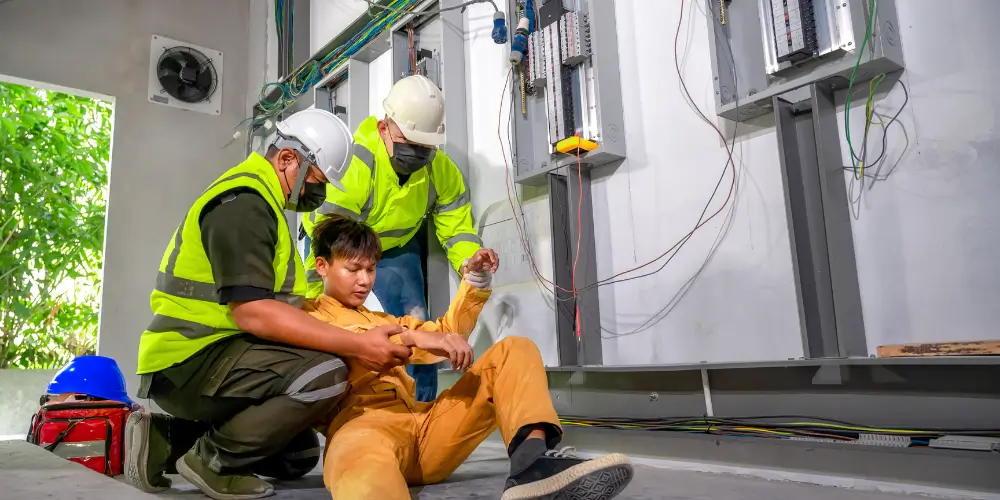
The Electrical Installation Condition Report (EICR) is the cornerstone of electrical safety. It is pivotal in guaranteeing that all electrical installations within a property meet stringent safety standards.
You’re tasked with recognising how this thorough document is critical in identifying potential electrical hazards. Through detailed risk assessment, EICR enables the diagnosis of issues that mightn’t be visible to the untrained eye.
As you explore deeper, you’ll see that EICR isn’t just about ticking boxes; it’s about rigorous compliance checks and meticulous fault detection. Each circuit analysis conducted under EICR aims to uncover any deficiencies that could lead to safety breaches.
This isn’t merely a procedural formality it’s an essential exercise in preventive maintenance.
Moreover, the EICR process includes evaluating the adequacy of existing emergency protocols. This evaluation guarantees that response measures are effective in the event of an electrical failure and can mitigate any immediate risks to occupants and property.
Adhering to these protocols isn’t just about following the law but safeguarding lives.
Importance of Electrical Safety
Understanding electrical safety’s legal requirements is essential for you as a property owner or manager.
Regular EICR inspections guarantee compliance with these laws and greatly mitigate the risk of electrical fires and other hazards.
You’ll benefit from enhanced safety, potentially lower insurance costs and peace of mind knowing your electrical systems are in top condition.
Legal Requirements
As a homeowner or business owner, you must know electrical safety’s legal requirements to confirm compliance and avoid penalties. Understanding these obligations is vital in maintaining legal compliance and safety standards under electrical regulations.
Here are the key aspects you need to focus on:
- Legal Compliance: Confirm that all electrical installations meet local and national safety standards.
- Tenant Obligations: If you’re a landlord, you must provide tenants with a safe living environment, mandating regular electrical inspections.
- Certification Requirements: Acquire and maintain up-to-date EICR certificates to prove your electrical systems are inspected and in line with statutory requirements.
- Liability Issues: Failure to comply can lead to significant legal liabilities and financial penalties.
Diligent adherence to inspection frequency and maintenance responsibilities isn’t optional but a stringent requirement.
These regulations are designed to protect property, lives, and your financial well-being.
Benefits of Regular EICR Inspections
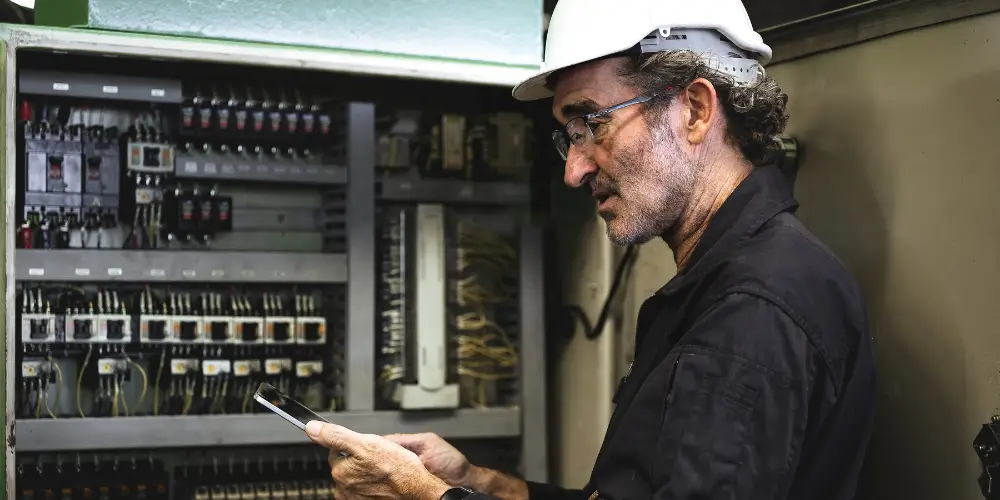
Regular EICR inspections offer numerous benefits, greatly enhancing the safety and efficiency of your property’s electrical systems. Conducting these assessments periodically guarantees compliance with legal standards and identifies potential hazards before they escalate into costly repairs.
Such proactive risk management can save significant costs by avoiding unexpected outages and the high expenses associated with emergency electrical repairs.
Additionally, safety enhancements provided by routine EICR inspections can’t be overstated. They protect not only your property but also the lives of those residing or working within it. This safety assurance is critical in maintaining tenant confidence and property value, making your building more attractive to potential renters or buyers.
From an insurance perspective, properties with regular EICR certifications often benefit from lower insurance premiums. Insurers recognise the reduced risk of electrical fires and failures, translating this into tangible insurance benefits for you.
Moreover, these inspections help align with the latest safety regulations, offering substantial compliance advantages.
Lastly, the peace of mind you gain from knowing your electrical installations are in top condition can’t be quantified. This all-encompassing approach to electrical safety guarantees that you maintain a secure, efficient, and compliant property environment.
Who Requires an EICR?
For property owners and landlords, obtaining an Electrical Installation Condition Report (EICR) is a legal necessity to confirm the safety and compliance of electrical installations within their premises.
It’s vital to understand the significance of the EICR in meeting legal requirements and guaranteeing that all electrical systems adhere to stringent safety standards. By doing so, you’re not just checking a box but actively preventing potential electrical hazards.
Who precisely needs to guarantee they have a current EICR? It’s not limited to a particular group but spans various sectors:
- Residential Landlords: You must comply with residential requirements that mandate regular inspections to protect tenants and property.
- Commercial Property Owners: Your obligations include maintaining all installations to prevent business disruptions and hazards fulfilling commercial obligations.
- Public Sector Managers: Schools, hospitals, and other public buildings require frequent EICR assessments to meet higher safety protocols and risk assessments.
- Homeowners: Though not always legally required, it’s advisable for your safety and insurance purposes.
Understanding the inspection frequency is essential; typically, residential properties need checking every five years or at tenant changeover, while commercial properties may require more frequent reviews, depending on the risk assessment and usage intensity.
Components of an EICR
In examining an EICR, you’ll encounter three primary components: the inspection process, testing procedures, and reporting and documentation.
Each stage requires meticulous attention to detail. The inspection process evaluates the physical condition of electrical installations while testing procedures assess their safety and functionality.
Inspection Process
Understanding the components involved in the Inspection Process of an EICR is essential for guaranteeing that your electrical systems are up to standard. The rigorous process requires meticulous attention to detail to adhere to the highest safety protocols and electrical standards.
Here are key elements to focus on:
- Inspection Types: Depending on the age, usage, and environment of your electrical installation, different types of inspections may be required. These range from visual inspections to more detailed examinations.
- Inspection Frequency: You’ll need to schedule inspections at regular intervals. The frequency is often dictated by regulatory requirements or the operational demands of your electrical system.
- Inspector Qualifications: Only qualified professionals should conduct these inspections. They must thoroughly understand electrical systems, current standards, and safety requirements.
- Common Issues: Inspectors look for faulty wiring, overloaded circuits, and wear and tear that could compromise safety.
The inspection checklist is extensive, covering everything from the adequacy of earthing to the integrity of insulation.
Post-inspection actions involve remedial work to address any defects uncovered during the inspection or updating the EICR to reflect the current status of the electrical installations. This proactive approach guarantees ongoing compliance and safety.
Testing Procedures
Moving to the testing procedures, a critical component of an EICR, you’ll encounter several specific tests designed to evaluate the safety and efficiency of your electrical installations.
Qualified electricians carry out these tests using advanced inspection tools to guarantee compliance with established safety standards. Each piece of electrical equipment is meticulously examined to assess its condition and functionality.
The testing frequency is determined through a rigorous risk assessment, considering the electrical installations’ age, usage, and environment. This systematic approach guarantees that all potential hazards are identified and mitigated promptly.
Equipment maintenance plays a pivotal role in the testing process. Well-maintained equipment typically exhibits fewer faults and adheres more closely to safety protocols.
During testing, electricians follow strict compliance guidelines to guarantee that every aspect of the electrical system is up to code. They check for insulation integrity, circuit continuity, and proper connection, among other parameters.
Each test is designed to unearth any deficiencies that could lead to electrical failures or safety risks.

Reporting and Documentation
After completing the meticulous testing procedures, the next step involves the thorough documentation and reporting inherent to an EICR. You’ll need to guarantee that all data captured is accurately represented in the EICR documentation, adhering strictly to EICR guidelines.
This phase is critical as it forms the basis for future audits, updates, or legal requirements.
The precise completion of an EICR involves several key components:
- EICR Templates: Utilise standardised EICR templates to guarantee consistency and completeness in reporting. These templates help streamline the process and prevent omissions.
- EICR Software: Implement specialised EICR software to facilitate data entry, error checking, and report generation. This software often includes features that comply with the latest EICR formats and guidelines.
- EICR Checklists: Follow detailed checklists to cover all necessary aspects of the inspection. These checklists guarantee that no element is overlooked during the reporting process.
- EICR Audits: Prepare for periodic EICR audits by maintaining clear, detailed, and up-to-date documentation. Regular updates and audits will not only comply with regulatory standards but also enhance the safety measures of electrical installations.
Mastering these aspects will elevate the quality and reliability of your electrical inspection reports, positioning you as a meticulous and competent professional in the field.
How to Obtain an EICR?
To obtain an Electrical Installation Condition Report (EICR), you must first contact a qualified electrician registered with a competent person scheme. Choosing a professional with valid EICR certifications is essential to guarantee compliance with current standards and safety regulations.
When discussing EICR costs, be aware that prices can vary considerably based on the size and complexity of your electrical installation and location. Due to increased demand and operational costs, EICR costs are typically higher in urban areas than rural settings.
To find a cost-effective solution, you’ll need quotes from several EICR providers. Confirm that these providers are accredited and have a robust reputation.
EICR frequency is dictated by the type of property and its usage. For instance, commercial properties generally require more frequent inspections than residential ones. It’s advisable to consult your selected electrician to understand the specific EICR frequency recommended for your property.
Preparing for an EICR involves guaranteeing clear access to all electrical components and systems. Remove any obstructions that might hinder the inspection process. If applicable, be aware of EICR exemptions, including newer installations or properties undergoing recent, thorough electrical checks.
Regarding EICR timelines, the inspection duration depends on the property size and the complexity of its electrical systems. Larger properties with more intricate systems will naturally take longer to assess thoroughly.
Understanding EICR Reports
When you receive an EICR report, it’s essential to interpret the findings accurately.
You must understand the specific codes and classifications to assess your electrical installations’ safety and compliance.
Based on these insights, you should promptly undertake the recommended action steps to guarantee your property remains safe and up to code.
Interpreting the Findings
Understanding your Electrical Installation Condition Report (EICR) is essential as it determines the safety and compliance of your electrical installations. As you explore the report, you’re not just looking at a series of findings; you’re evaluating the integrity of your electrical systems against rigorous safety standards.
The EICR assesses various components and their conformity to current regulations, helping you avoid compliance challenges and potential electrical hazards.
Here are key aspects you should focus on:
- EICR Terminology: To fully comprehend the technical details, familiarise yourself with terms like ‘Circuits’, ‘IP Rating’, and ‘Zs’.
- Inspection Frequency: Understand the recommended inspection frequencies to plan routine checks and maintain safety.
- Report Clarity: Confirm that the findings are clear and precise. Ambiguities can lead to misinterpretations and oversight of significant maintenance needs.
- Certification Processes: Recognise the importance of certification and the qualifications of the inspecting engineer to guarantee credibility.
Grasping these elements enhances your mastery of the subject. It guarantees current maintenance practices and safeguards your premises against unforeseen incidents.
Understanding the Codes and Classifications
Interpreting the codes and classifications in your Electrical Installation Condition Report (EICR) is vital for evaluating the compliance and safety of your electrical systems. The EICR terminology, embedded within the report, follows a specific classification system that categorises the urgency and severity of each finding.
Understanding these classifications is important. They range from ‘C1’, indicating a condition that poses an immediate danger and requires urgent attention, to ‘C3’, which suggests improvements that aren’t necessarily safety critical but could enhance the system’s safety. ‘C2’ denotes potentially dangerous conditions that require remedial action promptly.
The report also adheres to stringent electrical codes and safety standards to guarantee a thorough assessment of your electrical installations. Each component is meticulously inspected against these standards, utilising advanced testing equipment.
The rigorous inspection criteria ensure that every potential risk is identified and classified accurately. Familiarity with these compliance guidelines and the report formats will empower you to understand the implications of each section of your EICR.
This knowledge guarantees you’re well-equipped to interpret the technical content and significance of the findings presented, reinforcing the importance of adhering to established safety protocols and regulations.
Action Steps After Receiving a Report
Once you’ve received your Electrical Installation Condition Report (EICR) and understand the codes and classifications, your next step is prioritising action based on the findings.
Here’s how you can effectively manage the necessary steps:
- Identify Remedial Actions: Review the EICR to identify any C1 (danger present), C2 (potentially dangerous), or FI (further investigation needed) classifications. These require immediate attention to guarantee safety and compliance.
- Plan Electrical Repairs and Safety Upgrades: Schedule these critical repairs and upgrades as soon as possible. Addressing these issues mitigates risks and enhances the electrical system’s safety.
- Conduct Compliance Checks and Risk Assessments: Reassess your electrical system to guarantee it meets current regulatory standards. This might include additional inspections beyond the initial EICR findings.
- Manage Contractor Selection, Cost Implications, and Timeline: Carefully select qualified electrical contractors. Understand the cost implications and develop a timeline for completion that minimises disruption but guarantees timely compliance.
You must act swiftly and efficiently, coordinating these steps to maintain system integrity and safety.
Identifying Common Issues
Electricians often encounter several recurrent issues when conducting an Electrical Installation Condition Report (EICR). Common electrical faults, such as overloaded circuits, outdated wiring, and faulty ground connections, are prevalent, especially in older installations. These issues not only pose safety risks but also affect the functionality of your electrical system.
The impact of age on electrical systems can’t be overstated. As installations age, the insulation deteriorates, and connections may loosen, increasing the likelihood of faults. This underscores the significance of adhering to inspection frequency guidelines, which recommend more frequent checks for older systems. For residential setups, inspections every ten years might suffice. In contrast, due to their complex nature and heavier usage, commercial environments require more frequent evaluations, typically every five years.
DIY safety tips are essential when handling minor electrical tasks. Always verify that power is completely turned off at the main breaker before beginning work. However, understanding when to step back and consult a professional is critical. The list of certified professionals can guide you to qualified electricians for thorough assessments and complex repairs.
EICR misconceptions often lead to underestimating the necessity of these reports. Many assume that a visually intact system is safe, yet electrical faults are mainly hidden issues that require expert diagnosis.
Residential and commercial properties also differ markedly in power needs and system complexity, necessitating tailored inspection approaches.

EICR for Landlords
For landlords, securing an Electrical Installation Condition Report (EICR) is more than a regulatory requirement; it’s a vital safety measure for their rental properties.
As a landlord, this document is a cornerstone of your property management and compliance strategies, guaranteeing tenant safety and adherence to legal standards.
Here are key aspects you should understand about EICR:
- Risk Assessment: EICR thoroughly assesses your property’s electrical systems, identifying potential hazards that could compromise tenant safety.
- Landlord Obligations: You’re legally obligated to guarantee all electrical installations are safe when tenants move in and maintained in a safe condition throughout their duration.
- Electrical Maintenance: Regular maintenance, as evidenced by an updated EICR, can prevent severe malfunctions and electrical hazards, safeguarding your investment and occupants.
- Safety Inspections: EICR involves detailed safety inspections conducted by qualified electricians, which are essential for spotting issues that mightn’t be visible.
The integrity of your property’s electrical installations is more than compliance; it is about guaranteeing the environment.
Faulty electrical systems can lead to severe accidents or fires; therefore, regular inspections and timely interventions are important for effective property management.
Adhering to these standards protects your properties and shields you from potential legal repercussions.
Frequently Asked Questions
Can an EICR Detect Problems With All Types of Electrical Equipment?
An EICR can’t detect issues with all electrical equipment types. It focuses on fixed installations and evaluating compliance standards and risk. Still, portable appliance testing is needed for thorough equipment maintenance and safety verification.
How Long Does an EICR Inspection Typically Take?
The duration of an EICR inspection varies and is influenced by property size, electrician experience, and testing equipment. Regional differences and specific follow-up actions may also affect timing. To expedite the process, you’ll need to manage homeowner responsibilities efficiently.
Are There Financial Assistance Programs for EICR Compliance?
Financial assistance programs help cover EICR compliance costs, including government funding to ensure electrical safety through safety inspections. These programs benefit both landlord responsibilities and tenant rights in property investments.
What Qualifications Must an Electrician Have to Perform an Eicr?
To perform an EICR, an electrician must have a robust qualifications overview, including certified EICR training, knowledge of safety standards, regulatory requirements, industry best practices, adept inspection techniques and continuing education commitments.
Can EICR Results Impact Property Insurance Rates?
Yes, EICR results can affect your property insurance rates. Compliance with safety standards and electrical safety reduces risk, aligning with insurer guidelines and initially lowering premiums due to enhanced property value and risk assessment accuracy.
