

Fire hazards in the workplace are any conditions, materials, equipment, or behaviours that increase the chance of a fire starting, spreading, or causing harm. A proper workplace fire safety approach does not stop at identifying hazards. It also requires practical control measures to reduce the risk and protect people if a fire occurs.
In most workplaces, fire risk comes down to three things: sources of ignition, sources of fuel, and the conditions that allow fire and smoke to spread. That is why a strong fire safety plan must look at both the hazards themselves and the control measures used to manage them.
This guide explains the main workplace fire hazards, the seven basic fire safety control measures, and the practical steps employers and staff should follow to reduce the risk of fire.
Last Updated: 2026
Reviewed By: London Safety Certificate Compliance Team
Key Takeaways
- Identify and assess sources of heat, fuel, and oxygen that could contribute to fire risks in the workplace.
- Ensure regular maintenance and inspections of electrical systems to prevent overheating and electrical fires.
- Manage and store flammable materials safely, adhering to Safety Data Sheets (SDS) for handling guidelines.
- Educate employees on fire emergency procedures, including fire extinguishers and evacuation routes.
- Implement strict controls on smoking, use of portable heaters, and kitchen safety to mitigate additional fire hazards.
Table of Contents
What Are Fire Hazards in the Workplace?
A workplace fire hazard is anything that could start a fire, feed a fire, or make the consequences worse.
Typical examples include:
- Faulty electrical systems
- Overloaded sockets and circuits
- Flammable liquids and gases
- Combustible waste and
packaging - Blocked escape routes
- Unsafe storage of chemicals
- Unattended cooking equipment
- Smoking in the wrong areas
- Portable heaters placed too close to combustibles
- Poor housekeeping
A fire hazard does not need to be dramatic to be dangerous. In many workplaces, fire risk builds up through ordinary failures such as poor storage, weak maintenance, careless behaviour, or lack of supervision.
The Fire Triangle in the Workplace
Most workplace fire hazards can be understood through the fire triangle:
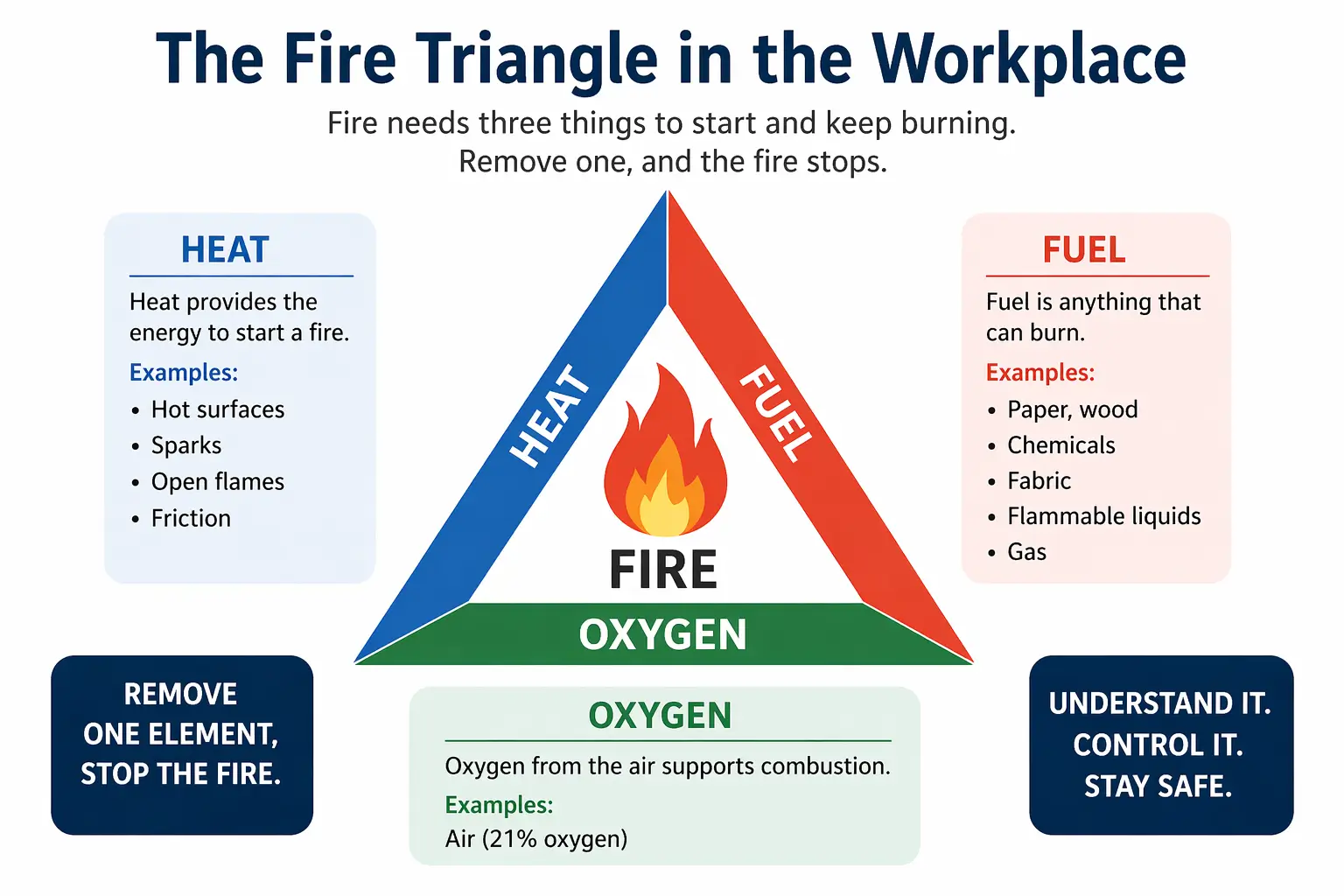
If all three are present in the right conditions, fire can start and continue to burn. That is why fire control measures focus on removing or controlling one or more of these elements.
Understanding the fire triangle makes it easier to understand why workplace fire precautions matter. If you want the fuel element explained more clearly, read what is potential fuel for a fire.
7 Basic Fire Safety Control Measures
If you are asking identify seven basic fire safety control measures, the clearest answer is this:
1. Control ignition sources
Identify and control anything that could start a fire, including faulty wiring, overheating equipment, smoking materials, hot works, heaters, and cooking equipment.
2. Control fuel sources
Reduce the amount of combustible material in the workplace by keeping waste under control, storing flammable products properly, and avoiding unnecessary build-up of paper, cardboard, textiles, stock, or chemicals.
3. Maintain electrical systems and equipment
Electrical faults are a major source of workplace fire risk. Equipment should be inspected, maintained, and used properly. Overloaded sockets, damaged cables, and poor maintenance should not be ignored.
4. Keep escape routes and fire exits clear
Escape routes must stay usable at all times. Corridors, doors, stairwells, and final exits should not be blocked by storage, rubbish, equipment, or stock.
5. Provide and maintain fire detection and firefighting equipment
Fire alarms, detectors, extinguishers, emergency lighting, and other fire safety systems must be suitable for the premises and kept in working order.
6. Train staff and run fire drills
Staff must know what to do if they discover a fire, hear the alarm, or need to evacuate. Fire procedures should be supported by real training and regular drills according to UK government guidance on fire safety in workplace.
7. Review fire risks and update control measures
Fire safety is not a one-time task. Hazards, layout, occupancy, and equipment change over time. Fire precautions and workplace procedures need to be reviewed and updated when conditions change.
These seven measures give you the practical answer to most search questions about fire control measures, fire safety measures, and basic fire prevention measures in the workplace.
What Is a Fire Control Measure?
A fire control measure is any practical step used to prevent fire, reduce the chances of fire spreading, or protect people if a fire occurs.
Examples include:
- Isolating ignition sources
- Keeping flammable materials in safe storage
- Fitting suitable fire detection systems
- Maintaining extinguishers
- Using fire-resistant construction
- Keeping exits clear
- Training staff in emergency response
So if someone asks what are fire control measures, the answer is not one single item. It is the group of precautions used to manage fire risk properly.
Electrical Fire Hazards in the Workplace
Electrical systems are one of the most common causes of workplace fire incidents. Typical electrical fire hazards include:
- overloaded sockets
- damaged plugs and cables
- faulty extension leads
- poorly maintained appliances
- overheating plant or machinery
- temporary wiring used unsafely
- lack of inspection or testing
The risk increases where electrical equipment is heavily used, poorly maintained, or used in unsuitable conditions.
Control measures for electrical fire hazards
Control measures include:
- regular inspection and maintenance
- avoiding overloaded outlets
- removing damaged equipment from use
- using equipment as intended
- keeping cables managed and protected
- ensuring high-risk areas are checked more often
If you need ignition sources explained more directly, read is a potential ignition source a risk or a hazard.
Flammable Materials and Substances
Flammable materials are a major workplace fire hazard because they provide fuel for fire and can greatly increase fire spread. These may include:
- Solvents
- Fuels
- Aerosols
- Cleaning chemicals
- Paints
- Packaging
- Fabrics
- Stock materials
- Waste products
Improper storage of flammable substances can turn a small ignition source into a serious fire.
Control measures for flammable materials
- Store flammables properly
- keep quantities controlled
- Separate them from ignition sources
- Use correct containers
- Follow relevant handling guidance
- Keep storage areas ventilated and tidy
Combustible Dust
Combustible dust is often overlooked, but in some workplaces it is a major fire and explosion hazard. Dust from materials such as wood, paper, grain, textiles, or certain industrial processes can build up over time and ignite if not controlled.
Control measures for combustible dust
- Keep dust levels under control
- Clean properly and regularly
- Avoid allowing dust to build up on surfaces
- Use suitable extraction or ventilation
- Identify higher-risk areas during inspections
Improper Storage and Housekeeping
Poor housekeeping is one of the most avoidable workplace fire hazards.
When rubbish, stock, combustible waste, or loose materials are left unmanaged, they create fuel and can also block escape routes or interfere with fire response.
Common housekeeping fire hazards
- Waste left near heat sources
- Storage in escape routes
- Cardboard build-up
- Clutter around plant or electrical panels
- Poor separation between stock and ignition sources
Good housekeeping control measures
- Clear waste regularly
- Store materials properly
- Keep plant areas tidy
- Prevent build-up of combustibles
- Inspect storage standards routinely
Blocked Fire Exits and Escape Routes
Blocked escape routes turn a controllable incident into a life safety emergency. A workplace may have alarms and extinguishers, but if people cannot get out quickly and safely, the risk remains serious. Escape routes should always be:
- Clear
- Accessible
- Easy to identify
- Suitable for the number of occupants
- Protected from storage and obstruction
This is one of the most basic but most important workplace fire control measures.
Smoking-Related Fire Risks
Smoking remains a workplace fire risk where controls are weak.
Typical problems include:
- Smoking near combustible materials
- Poor disposal of cigarettes
- Smoking outside designated areas
- Bins containing hot smoking waste
Smoking-related control measures
- Restrict smoking to controlled areas
- Use proper disposal points
- Keep smoking areas away from combustible storage
- Enforce the workplace policy consistently
Kitchen and Cooking Fire Hazards
Cooking equipment can create ignition sources very quickly, especially where oils, fats, or unattended appliances are involved. In workplaces with kitchens, canteens, staff rooms, or hospitality areas, the risks often include:
- Unattended cooking
- Overheating oils
- Grease build-up
- Faulty appliances
- Poor cleaning routines
Control measures for kitchen fire hazards
- Maintain appliances
- Clean regularly
- Manage grease and oils properly
- Keep extinguishing equipment suitable for the area
- Train staff in what to do if a fire starts
Portable Heaters
Portable heaters are a common workplace hazard when badly positioned or used without proper control. They can ignite nearby combustible materials such as paper, packaging, curtains, furniture, or clothing.
Control measures for portable heaters
- keep them away from combustibles
- Use only suitable equipment
- Check them regularly
- Avoid trailing leads and overloading
- Remove unsafe heaters from use
Lack of Fire Drills and Training
A workplace can have good physical precautions but still be unsafe if staff do not know what to do in an emergency. Fire drills and training are not optional extras. They are part of real fire risk control. Staff should understand:
- How to raise the alarm
- How to evacuate
- Where to assemble
- What not to do
- When extinguishers may or may not be used
- Who takes charge during an incident
Without training, even a well-equipped workplace can respond badly to fire.
Poor Ventilation and Fire Spread
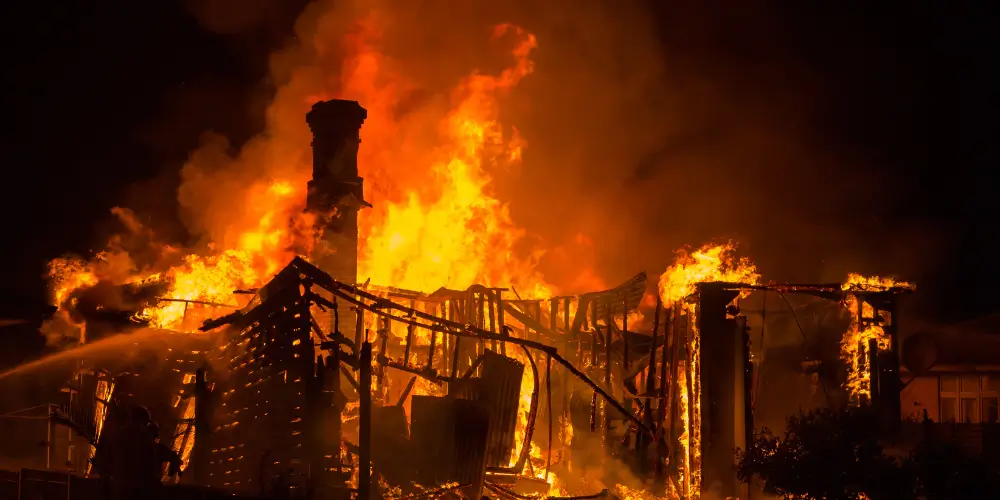
Inadequate ventilation can worsen the spread of smoke and heat, especially in enclosed or high-risk areas. Ventilation itself is not always the cause of fire, but poor control of airflow, heat, and smoke movement can make an incident far more dangerous.
This matters in workplaces where:
- heat builds up around equipment
- smoke spread could affect escape
- extraction is needed for dust, fumes, or vapours
- compartmentation and containment are important
Practices That Prevent Fires from Starting
A large part of fire safety is stopping fire from starting in the first place. Practical workplace prevention measures include:
- Checking electrical equipment regularly
- Keeping combustibles away from heat
- Storing flammable substances safely
- Controlling smoking
- Cleaning up waste and dust
- Managing hot works properly
- Maintaining plant and machinery
- Training staff in fire-safe behaviour
These are the day-to-day practices that reduce the chance of a fire starting. For a more focused guide on day-to-day fire prevention, read describe practices that prevent fires from starting.
Practices That Prevent Fires from Spreading
If a fire does start, the next priority is to reduce the chance of it spreading. Measures that help prevent fire spread include:
- Good compartmentation
- Suitable fire doors
- Safe storage arrangements
- Controlling combustible loading
- Keeping escape routes clear
- Rapid alarm activation
- Effective evacuation procedures
- Prompt emergency response
This is where the difference between preventing fire and controlling fire spread becomes important. A strong workplace fire safety system needs both.
What Staff Should Do During a Fire Incident
Workplace fire safety is not only about buildings and equipment. Staff behaviour matters. In the event of a fire, staff should generally:
- raise the alarm
- follow site fire procedures
- evacuate safely
- avoid taking unnecessary risks
- go to the assembly point
- report concerns or missing persons through the correct process
- not re-enter the building unless authorised
A workplace fire plan should make these responsibilities clear. For the staff response side in more detail, read what responsibilities do all staff have during a fire incident.
Final Answer
The main fire hazards in the workplace include ignition sources, fuel sources, electrical faults, flammable materials, combustible dust, blocked exits, unsafe storage, poorly controlled heaters, kitchen risks, and weak fire procedures.
The strongest way to control those risks is to apply practical fire safety measures such as controlling ignition sources, reducing combustible materials, maintaining equipment, keeping escape routes clear, providing suitable alarms and extinguishers, training staff, and reviewing fire risk regularly.
If you need a workplace fire risk assessment in London, London Safety Certificate can help identify hazards, review current precautions, and provide clear recommendations for safer fire management.
Frequently Asked Questions
What are fire hazards in the workplace?
Fire hazards in the workplace are anything that could start a fire, feed a fire, or make the consequences worse.
What are the seven basic fire safety control measures?
They include controlling ignition sources, controlling fuel sources, maintaining electrical systems, keeping escape routes clear, maintaining alarms and firefighting equipment, training staff, and reviewing fire risks regularly.
What is a fire control measure?
A fire control measure is any precaution used to prevent fire, reduce the likelihood of fire spread, or protect people if a fire occurs.
What are examples of workplace fire hazards?
Examples include faulty wiring, overloaded sockets, flammable liquids, combustible dust, blocked exits, smoking materials, portable heaters, and poor housekeeping.
How can fires be prevented in the workplace?
By controlling ignition sources, reducing combustible materials, maintaining equipment, improving storage, training staff, and keeping fire precautions under review.
How can fire spread be reduced?
Fire spread can be reduced by controlling combustibles, maintaining fire doors and compartmentation, keeping escape routes clear, and ensuring alarms and emergency procedures work properly.