

Do Holiday Lets Require Fire Doors to the Bedrooms? In your holiday let, fire doors to the bedrooms are often required to comply with the UK’s rigorous fire safety standards, particularly if it’s a multi-occupancy property. These doors must be able to withstand fire for a specified time typically 30 or 60 minutes to ensure occupants’ safety and provide sufficient time for evacuation. Installation needs to be carried out by certified professionals to meet these standards. Besides legal compliance, installing fire-resistant doors greatly enhances guest safety and trust, potentially boosting your bookings and reviews. Staying aware of all pertinent regulations and responsibilities could uncover additional insights on enhancing your property’s safety.
Key Takeaways
- In the UK, fire doors are often required in holiday let bedrooms to meet fire safety regulations.
- Installing fire doors in bedrooms protects escape routes and ensures safety in the event of an emergency.
- Compliance with fire safety standards is crucial for legal adherence and guest protection in multi-occupancy holiday lets.
- Fire doors in bedrooms extend the evacuation time for guests, enhancing safety in the event of a fire incident.
- Regular fire risk assessments determine the necessity of fire doors in holiday let bedrooms based on property layout and risk factors.
Table of Contents
Are fire doors a legal requirement in holiday lets?
You must understand that under UK fire safety law, specifically the Regulatory Reform (Fire Safety) Order 2005, you’re required to assess fire risks in holiday lets, which may necessitate the installation of fire doors, especially in multi-occupancy settings.
Bedroom fire doors play a crucial role in safeguarding guests by preventing the spread of smoke and fire, thereby ensuring a safer escape route.
You must comply with these regulations not only to meet legal standards but also to ensure the safety of our guests during their stay.
Fire safety law UK for short-term rentals explained
Understanding the UK’s fire safety regulations for short-term rentals, including holiday lets, is essential for ensuring compliance and guest safety. As a landlord or property manager, you’re responsible for adhering to rigorous fire safety standards that protect everyone within your property.
Here are three critical aspects you need to know:
- Fire Risk Assessment: Conducting a thorough fire risk assessment is mandatory. This assessment identifies potential fire hazards, evaluates the risks, and determines the adequacy of existing fire safety measures. It must be reviewed regularly and updated to reflect any changes in the property layout or use.
- Emergency Evacuation Plans: You must establish clear emergency evacuation plans. These plans should be easily accessible and understandable to all guests, ensuring they know how to exit the property safely in case of a fire.
- Landlord Responsibilities: Including maintaining all fire safety equipment such as fire doors, extinguishers, and alarms. Compliance with holiday let regulations also involves ensuring that all safety measures, including fire doors, are in proper working condition. Regular maintenance and checks aren’t just recommended; they’re part of your legal obligations.
Understanding these regulations and implementing them effectively minimises risks and enhances guest safety, while also significantly affecting insurance implications.
How bedroom fire doors protect guests.
In holiday lets, bedroom fire doors play an essential role in safeguarding guests from the spread of fire and smoke. These doors are engineered using robust building materials that resist high temperatures, providing a vital barrier against heat. By containing flames and toxic fumes, they extend the time available for evacuation, which is significant in emergency planning.
You must understand that these doors aren’t just about fire prevention; they’re integral to a thorough risk assessment strategy aimed at enhancing guest safety. The installation of such doors, in conjunction with smoke alarms and well-defined occupancy limits, forms the backbone of effective tenant awareness programs about fire safety.
Here’s a detailed breakdown of their functionality:
| Feature | Description | Impact on Safety |
| Integrity | Ability to withstand fire for a specified duration | Delays the spread of fire and smoke |
| Insulation | Limits the temperature rise on the non-fire side | Protects against burns and injuries |
| Self-closing Mechanism | Guarantees that the door closes automatically | Maintains a protective barrier |
Adhering to these specifications guarantees that your property not only complies with fire safety regulations but also prioritises the well-being of all occupants. Consider this investment as non-negotiable in your commitment to providing a secure environment in your holiday let.
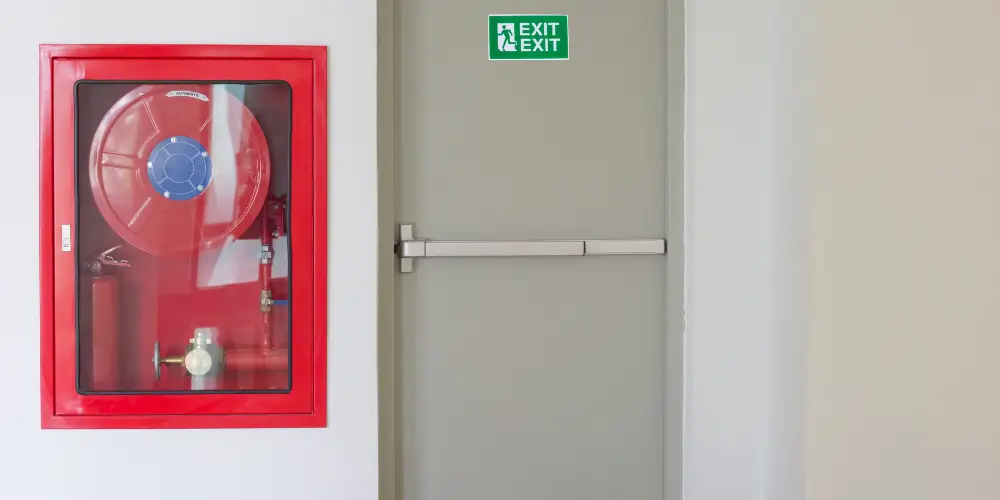
Do Airbnbs have to have fire doors?
You may wonder if your Airbnb needs to comply with recent fire safety regulations, including the installation of fire doors.
Specifically, FD30 fire doors are required in certain situations, which hinge on the building’s layout and the number of guests it accommodates.
Understanding when these regulations apply to your property is essential for ensuring guest safety and legal compliance.
What are the new fire regulations for Airbnb?
While recent changes to safety regulations may impact your Airbnb hosting duties, it’s vital to understand that specific requirements for fire doors depend on the property type and location.
New regulations are enhancing safety standards and focusing intensely on fire risk management to guarantee both guest protection and Airbnb compliance.
Here’s what you need to know about the new fire regulations for Airbnb:
- Legal Obligations: As a host, you’re legally obligated to comply with national and local fire safety laws. This includes installing fire doors in certain types of properties, especially those classified as multi-occupancy or where bedrooms are located off a shared space.
- Safety Standards: The regulations require that properties be equipped with suitable fire detection and suppression systems. Fire doors, where required, should meet the FD30 standard, which requires them to resist fire for at least 30 minutes.
- Host Responsibilities: Regular maintenance and checks are mandatory. You must ensure that all fire safety equipment is in working order and conduct periodic reviews to comply with property management guidelines.
Failure to comply with these standards can result in substantial fines and jeopardise your Airbnb listing. It’s imperative to stay informed and proactive in managing your property to meet these rigorous requirements.
When FD30 doors are needed
Determining whether your Airbnb property requires FD30 fire doors hinges largely depends on its layout and use. You need to consider the building’s design and its impact on fire door functionality. This isn’t just about meeting installation guidelines; it’s about guaranteeing guest safety and staying compliant with legal ramifications.
Here’s a succinct breakdown of when FD30 doors are typically required:
| Property Type | Occupancy | FD30 Requirement |
| Single dwelling | Up to 10 guests | Not mandatory |
| Converted units | Multiple separate lets | Mandatory |
| Listed buildings | Public access areas | Case-by-case basis |
| Large properties | Over 10 guests | Mandatory |
For property management, understanding these nuances can have a direct impact on insurance implications and maintenance practices. Always consult local fire safety regulations, as they can vary considerably. Remember, proper design considerations not only meet legal standards but also enhance the overall safety and integrity of your Airbnb. This proactive approach will ensure that both you and your guests remain protected, proving invaluable for the long-term viability of your property and its reputational standing.
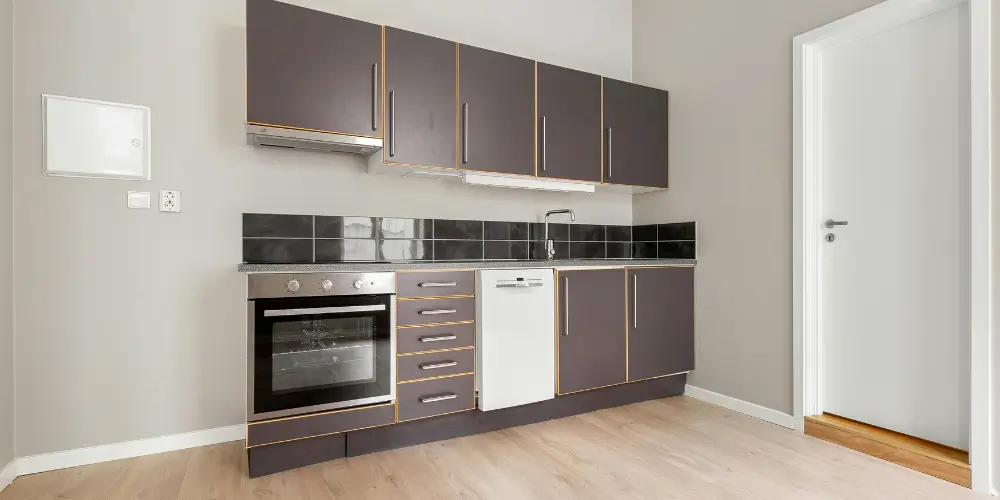
When to Use Internal Fire Doors
In your holiday let, it’s essential to install internal fire doors in specific areas to enhance safety and comply with regulations.
You must fit fire doors in kitchens, garages, and bedrooms, as these locations present a higher risk of fire outbreaks and spread.
Each zone’s door serves as a vital barrier, protecting escape routes and containing fires to allow safe evacuation.
– Kitchens:
Kitchens, often regarded as the heart of any home, require special attention when integrating internal fire doors. You must guarantee that your choice aligns with stringent holiday let regulations and enhances overall guest safety measures. Given the higher risks associated with cooking areas, robust kitchen fire safety protocols are mandatory, not merely optional.
Here’s precisely what you need to take into account:
- Fire Door Materials: Opt for materials certified to withstand high temperatures and prevent the spread of both flames and smoke. Non-combustible or fire-resistant metals and dense woods are preferred. Confirm that the door’s integrity complies with the latest safety standards.
- Kitchen Layout Design: The design should facilitate a quick and safe evacuation. Fire doors must be positioned to lead directly to fire exit routes, ideally without manoeuvring through high-risk areas. Evaluate the entire layout for potential hazards and adjust accordingly.
- Smoke Alarm Placement and Cooking Equipment Safety: Strategically place smoke alarms to detect the earliest signs of fire quickly. Ensure all cooking equipment is installed and maintained in accordance with safety guidelines to prevent overheating and the accidental ignition of nearby flammable materials.
– Garages:
When considering the installation of internal fire doors in your holiday let, don’t overlook the garage. This area, often used for vehicle storage and the storage of potentially hazardous materials, requires stringent fire safety measures to mitigate risks and comply with storage regulations.
Integrating fire doors into the garage’s design provides a robust barrier against the spread of fire, a critical factor in garage safety. These doors are essential not only for protecting stored vehicles but also for safeguarding any flammable materials typically kept in this space.
Additionally, you must assess the fire risk meticulously, tailoring solutions that cover emergency access and space utilisation.
Confirm that your fire doors meet the necessary fire resistance rating, typically FD30 or FD60, which indicates the number of minutes of resistance offered against fire. This requirement not only enhances safety but also aligns with insurance considerations, potentially leading to lower premiums due to increased security measures.
Moreover, implementing proper fire doors in the garage can facilitate safer emergency egress routes, securing a critical exit point during a fire incident.
– Bedrooms:
Shifting focus to the bedrooms, the decision to install internal fire doors is equally important. In the area of holiday lets, bedroom safety is paramount, not only to meet building regulations but also to guarantee guest protection from fire risks.
You must consider various types of fire doors and their integration with emergency exits and smoke alarms.
Here are three vital reasons you should use fire doors in holiday let bedrooms:
Enhanced Fire Safety
Fire doors help to contain flames and smoke, providing essential extra minutes for evacuation. These barriers are fundamental in maintaining a safe escape route from bedrooms to the outside.
Regulatory Compliance
Depending on your location, rental obligations under building regulations may require the installation of fire doors. This ensures a consistent level of safety across rental properties, protecting both guests and your investment.
Risk Mitigation
The effective installation of fire doors in bedrooms significantly reduces overall fire risks. This proactive measure not only protects lives but also minimises potential property damage, thereby avoiding costly repairs and legal repercussions.
As you assess your holiday let’s safety features, prioritise the installation of appropriate fire doors in bedrooms to uphold high safety standards and compliance with regulatory requirements.
Do Hosts of Holiday Lets Need to Install FD30 Doors?
As a host of holiday lets, you’re likely aware of the critical need to prioritise guest safety, particularly concerning fire safety regulations.
FD30 doors, which provide a minimum of 30 minutes of fire resistance, are essential in specific areas of your property, such as between the kitchen and the sleeping quarters.
Understanding where these fire doors are required can greatly enhance safety and compliance with local fire safety codes.
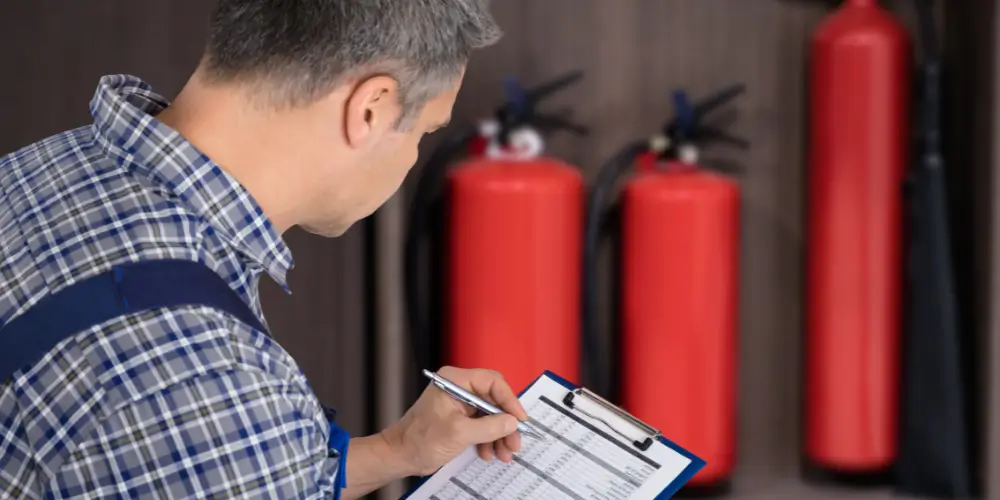
Fire door rating requirements for guest safety
In the domain of holiday lets, ensuring guest safety is paramount, particularly regarding the installation of suitable fire doors. As a host, you must navigate through various technical details and compliance standards to choose the right fire door.
Here are three key aspects to take into account:
- Fire Door Materials: The material of the fire door plays a significant role in its performance. Typically, FD30 doors, offering 30 minutes of fire resistance, are constructed from solid timber or a composite core clad in fire-resistant materials such as glass, metal, or timber veneers. Each material has distinct properties affecting the door’s overall fire resistance, weight, and durability.
- Safety Compliance Standards: It’s vital to verify that the fire doors meet local building regulations and safety compliance standards. These standards dictate specifics from the composition of the door to its installation and capabilities in withstanding heat and smoke.
- Fire Door Installation and Maintenance: Proper installation and regular maintenance are crucial. You should have the installation carried out by a certified professional to guarantee it meets the safety requirements.
Subsequently, regular maintenance checks are necessary to address any wear or damage that might compromise the door’s integrity.
Where FD30s are typically needed in the lets
Understanding where FD30 doors are specifically required in holiday lets will help you secure compliance and safety. FD30 doors, which offer 30 minutes of fire resistance, are typically necessary in several vital locations to meet fire safety regulations. Primarily, you’ll need to install them at all escape routes, including hallways and stairwells. This strategic placement guarantees that guests have ample time to evacuate in the event of a fire.
Choosing the right fire door materials is essential. Solid-core doors with intumescent seals are recommended due to their robust nature and effectiveness in preventing the spread of smoke and flames.
When planning fire door installation, make certain it’s performed by a certified professional to meet the stringent standards required for fire door compliance.
Regular fire door maintenance and annual fire door inspections are mandatory to maintain their integrity. This includes checking the seals, hinges, and the correct operation of self-closing mechanisms. Proper fire door labelling is also important, as it aids in regular checks and maintenance.
Investing in FD30 doors may increase your initial fire door costs, but the benefits of fire doors protecting property and lives are immeasurable. Make certain you adhere to these guidelines to maintain high safety standards in your holiday let.
How Many Fire Doors Are Needed in a Holiday Let?
Determining the number of fire doors required in your holiday let hinges on both the size of the property and the inherent risks associated with its layout.
You must ensure that all critical areas, particularly escape routes and high-risk rooms such as kitchens and boiler rooms, are equipped with suitable fire doors.
For larger properties, a more extensive installation might be necessary to maintain safety and comply with regulatory standards.

Risk-based requirements for small vs large properties
Holiday lets vary considerably in size, and as a result, the number of fire doors required also changes based on risk assessments and property dimensions.
As a property owner, it’s essential to understand the nuances of these requirements to guarantee guest safety and legal compliance.
Here are the key factors that dictate the number of fire doors needed:
- Property Size: Generally, larger properties with multiple levels and extended layouts necessitate more fire doors. This is to compartmentalise the space effectively and limit the spread of fire and smoke.
- Occupancy Levels: Higher occupancy properties are at a greater risk of fire-related incidents. More fire doors are typically required in such settings to provide safe egress options for all guests.
- Risk Assessment Outcomes: Detailed risk assessments can highlight specific fire hazards unique to your property. This evaluation often dictates the need for additional safety measures, including the strategic placement of fire doors.
Understanding these elements isn’t just about meeting compliance standards; it’s about actively enhancing guest safety and security.
As a landlord, your responsibilities include conducting thorough risk assessments and implementing necessary safety measures based on property size and the identified fire hazards.
Which rooms must have fire doors?
Identifying which rooms require fire doors in your holiday let is vital for ensuring both safety and compliance with fire regulations. The building regulations stipulate that fire doors are mandatory in specific areas to manage risk and aid in emergency procedures.
Typically, any room leading to a risk area such as kitchens and lounges with open fires or stoves must have a fire door. Additionally, corridors and stairwells that form part of the escape route should also be equipped with appropriate fire door types.
Your property assessment will determine the exact requirements. Still, as a general rule, all doors leading from bedrooms to corridors, or any room directly connected to the main escape route, should be upgraded to fire doors. This installation isn’t just a regulatory compliance issue but a vital component in safeguarding guest awareness and guaranteeing effective fire escape strategies.
It’s important to select the correct fire door types that meet established safety standards. Doors should be self-closing and provide a minimum of 30 minutes of fire resistance.
Regular maintenance checks are essential to guarantee that these safety barriers function as intended, enhancing overall risk management within your property.
Can Fire Doors Be Left Open During Bookings?
You must ensure that fire doors in holiday lets are equipped with self-closing mechanisms to prevent guest misuse and remain closed when not in use.
It’s vital to educate tenants on the importance of keeping these doors closed to maintain the integrity of the fire safety barrier they provide.
Leaving fire doors open during bookings can considerably compromise the building’s safety protocols and increase risk in the event of a fire.
Self-closers and guest misuse
Safety becomes a paramount concern when discussing the use of self-closing fire doors in holiday lets. You must understand that these doors are essential in maintaining safety and complying with building regulations.
Guest behaviour often includes propping open these doors for convenience, greatly undermining their purpose in fire prevention and risk assessment strategies.
Here are three key points on why self-closers mustn’t be tampered with:
- Regulatory Compliance: Building regulations mandate the installation of self-closing devices on fire doors to prevent the spread of smoke and fire. Turning off these devices can lead to non-compliance penalties.
- Risk Mitigation: Proper door maintenance and function are vital in emergency procedures. A door left open during a fire can facilitate the rapid spread of fire and smoke, increasing the risk to life and property.
- Safety Awareness: Educating tenants on the importance of keeping fire doors closed can be an integral part of your prevention strategies. Guests must understand that their safety during an emergency hinges greatly on these doors functioning as intended.
Always verify that fire doors are equipped with working self-closers and conduct regular checks to uphold safety standards in your holiday let.
Educating tenants on door safety
To effectively guarantee guest safety during their stay, it’s imperative to educate tenants about the non-negotiable role of fire doors in holiday lets.
You must understand that fire doors are a fundamental part of the property’s safety infrastructure. They’re designed to contain fires or smoke for an extended period, providing essential escape time during emergencies.
As a tenant, your responsibilities include maintaining the integrity of these safety mechanisms. Fire doors should never be left open during your booking. This compromises the compartmentalisation strategy intrinsic to the property’s fire prevention design.
Each door is equipped with self-closing devices that must remain functional and unobstructed at all times.
Your fire safety education should include thorough emergency procedures and the proper use of safety equipment. Regular fire drills, coordinated by the property manager, can greatly enhance tenant awareness and readiness.
It’s important to participate actively and understand the specific actions required in different scenarios.
Moreover, always verify that you’re familiar with the location and operation of all safety features. A proactive approach to risk assessment could be lifesaving.
Who Enforces Fire Safety in Holiday Rentals?
You must understand that local fire authorities are the primary enforcers of fire safety regulations in holiday rentals.
They conduct inspections to verify compliance with established fire safety standards, focusing on elements such as the proper installation and maintenance of fire doors and other critical safety components.
If you’re found non-compliant, you could face significant penalties, underscoring the importance of adhering to these critical safety measures.

Local fire authorities and inspections
In the domain of holiday rentals, local fire authorities are responsible for enforcing fire safety regulations. You should be familiar with how these entities operate to guarantee your property adheres to necessary standards. Understanding the scope of their duties is vital for your compliance and the safety of your guests.
Local fire authorities conduct regular inspections based on specific risk assessment criteria, ensuring that holiday let regulations are strictly followed. Their assessments look into several key areas:
- Inspection Frequency: Typically, this varies depending on the property size, location, and previous compliance records. High-risk properties may see more frequent visits.
- Guest Safety Measures: Authorities review the implementation of smoke alarms, fire extinguishers, and, importantly, whether appropriate fire doors are installed.
- Property Safety Compliance: This includes a thorough review against local fire codes, examination of escape routes, and assessment of the overall structural integrity of the property for fire safety purposes.
As a property owner, you’re expected to collaborate closely with enforcement agencies. They provide guidelines and can offer corrective measures before imposing penalties.
Staying proactive with updates in holiday let regulations and maintaining regular contact with your local fire authority guarantees that you meet all required safety standards and protect your guests effectively.
Penalties for non-compliance
Failure to comply with fire safety regulations in holiday rentals can result in severe penalties enforced by local fire authorities. You’re facing not just financial consequences but also considerable legal repercussions.
Penalties for violations can range from hefty fines to more severe measures, such as closure of your property until compliance is achieved. This guarantees that the enforcement of these standards is both effective and dissuasive.
The financial consequences are considerable. Fines are the immediate concern, but consider the long-term implications as well. Non-compliance can hike your insurance premiums or even result in a denial of claims related to fire incidents.
This places a double burden on your finances: first, the direct cost of the penalty, and then the increased ongoing cost of insurance.
Moreover, if a fire occurs and guest safety is compromised due to your failure to install required fire doors, you’re also exposing yourself to serious property damage liability. Legal actions taken by guests can escalate the situation, leading to lawsuits and substantial settlements.
Maintaining compliance isn’t just about avoiding penalties; it’s about guaranteeing the safety and trust of your guests.
Understand that while compliance costs are an upfront investment, they greatly mitigate potential enforcement challenges and associated liabilities in the future.
Frequently Asked Questions
How Often Should Fire Doors Be Inspected in Holiday Lets?
You should inspect fire doors in holiday lets annually to comply with safety regulations. Landlord responsibilities include maintaining fire door integrity, ensuring tenant awareness, and fulfilling insurance requirements through regular safety compliance checks and risk assessments.
Are Self-Closing Mechanisms Required on Holiday Let Fire Doors?
Yes, self-closing mechanisms are mandatory on holiday let fire doors to guarantee tenant safety and comply with fire door specifications. Regular safety compliance checks and maintenance guarantee these devices function properly along emergency escape routes.
What Are the Penalties for Non-Compliance With Fire Door Regulations?
You’ll face hefty penalties for violating fire door regulations, including fines from enforcement agencies, increased insurance costs, and potential legal consequences. Property management must prioritise tenant safety and guarantee compliance through regular fire safety audits.
Can Decorative Elements Be Added to Fire Doors in Holiday Lets?
You can add decorative elements to fire doors in holiday lets, striking a balance between interior design and tenant safety. Ensure that modifications meet safety compliance standards and don’t compromise the integrity of the fire door materials for visual appeal.
Is There a Difference in Fire Door Requirements for Listed Buildings?
Yes, listed building regulations often modify fire safety standards, including fire door requirements, due to historical building exemptions, renovation challenges, and material restrictions, all while balancing insurance implications and maintenance obligations.