

What is the Minimum Time for an NHS Fire Door? Most NHS fire doors are specified as FD30 (30 minutes) or FD60 (60 minutes). Higher-risk areas may require longer ratings depending on the fire strategy and door location.
In your NHS facility, fire doors are essential for safety and must resist fire for a minimum of 30 minutes, adhering to the FD30 standard. These doors are crucial for ensuring sufficient time for patients and staff to evacuate safely. They must meet stringent material, dimensional, and smoke containment standards. Regular inspections and maintenance reinforce their effectiveness, ensuring they function properly in critical situations.
Need a Fire Door Certificate in London & M25? Book an inspection below.
Key Takeaways
- NHS fire doors must resist fire for at least 30 minutes, meeting the FD30 standard.
- The FD30 doors are the minimum requirement in London NHS facilities.
- Higher-risk areas in NHS facilities may utilise FD60 doors, which offer 60 minutes of fire resistance.
- Regular testing ensures fire doors maintain the minimum resistance time.
- Regular inspections verify the integrity and functionality of these fire doors.
Table of Contents
What is the minimum time for an NHS fire door in London?
Why are NHS fire doors in London required to have a specific minimum resistance time to fire?
Typically, these doors must resist fire for at least 30 minutes, a standard known as FD30.
This requirement ensures that there is sufficient time for a safe evacuation and for emergency services to respond effectively in the event of a fire.
How long must NHS fire doors resist fire?
In the United Kingdom, NHS fire doors are required to withstand fire for a minimum of 30 minutes. This standard is essential in safeguarding both patients’ and staff’s safety, guaranteeing a protected route for evacuations and enabling fire containment within specific areas of a healthcare facility.
Here’s what you need to understand about the specifications and requirements for these important safety features:
- Fire Door Specifications: NHS fire doors must meet specific dimensions and materials standards that contribute to their fire resistance capabilities.
- Safety Regulations and Compliance: These doors are subject to rigorous compliance requirements under UK safety regulations. Regular fire resistance testing is mandatory to confirm ongoing effectiveness in real-world scenarios.
- Maintenance and Inspection: Consistent fire door maintenance is necessary. This includes periodic checks and repairs to address any damage or wear that might compromise the door’s integrity.
- Smoke Containment Standards: Beyond mere fire resistance, these doors must also meet smoke containment standards to prevent the spread of smoke, which is crucial for maintaining visibility and reducing inhalation risks during an evacuation.
Understanding these elements is crucial for maintaining hospital fire safety and ensuring that patient safety protocols are effectively implemented.
Why are FD30 doors the standard minimum
FD30 doors, with a minimum fire resistance of 30 minutes, are mandated as the standard for NHS facilities across London. These doors serve as a critical component in maintaining regulatory compliance with NHS building regulations, specifically designed to enhance fire safety protocols and patient safety measures.
You’ll find that the FD30 specification not only meets but often exceeds the minimum requirements necessary for ensuring a safe environment during an emergency. By adhering to these stringent fire door standards, you ensure that both staff and patients have sufficient time for emergency evacuation, a crucial component of comprehensive fire safety protocols.
Here’s a breakdown of why FD30 doors are pivotal:
| Feature | Importance |
| 30-Minute Fire Resistance | Sufficient to facilitate safe evacuation. |
| Regulatory Compliance | Aligns with NHS building regulations. |
| Enhanced Safety Measures | Provides critical time to respond to emergencies. |
Adopting FD30 doors by door installation guidelines isn’t just about following the rules it’s about proactively protecting lives. These fire resistance ratings are not arbitrary; they are based on extensive testing and real-world outcomes that underscore their effectiveness in crisis. Remember, integrating these doors is a foundational aspect of a robust fire safety strategy.
What is the minimum time for an NHS fire door in London?
An NHS fire door is tested to contain fire for a set rating, most commonly FD30 (30 minutes) or FD60 (60 minutes), depending on the risk level and the location in the building. In practice, the goal is to slow the spread of fire and smoke, giving people time to escape and helping protect escape routes.
What is the minimum time for an NHS fire door in London?
Most specifications you’ll see for NHS buildings are FD30 or FD60, meaning the door is designed and tested to maintain fire resistance for 30 or 60 minutes when installed correctly as a complete doorset.
NHS fire door time ( Quick Answer )
If you’re asking “NHS fire door time”, the quick answer is:
- FD30 = 30 minutes
- FD60 = 60 minutes
The correct rating depends on the building’s fire strategy and the door location (e.g., corridors, stairwells, higher-risk areas).
Tested to contain smoke and toxic fumes – what does that mean?
Fire doors are not only about flames. They help limit smoke spread when fitted with the correct components (like smoke seals and self-closers) and maintained properly. Smoke control performance is typically considered separately from the fire resistance minutes rating, but both matter for protecting escape routes.
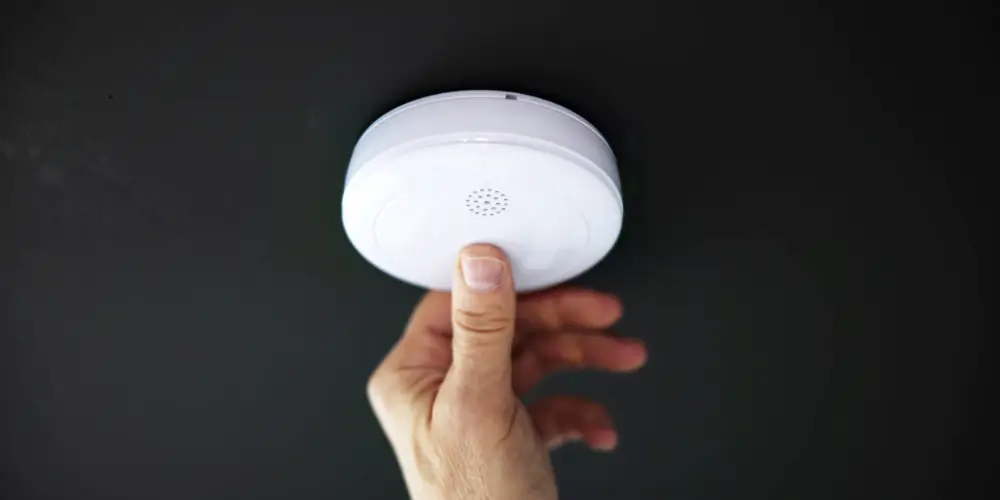
How long is an NHS fire door tested to contain fire, smoke and toxic fumes?
You need to understand the standard fire resistance times for NHS fire doors, as they’re essential for ensuring safety within hospital environments.
These doors are rigorously tested to withstand fire, smoke, and toxic fumes for specific durations, typically ranging from 30 to 120 minutes.
Recognising why smoke and fume containment is critical in hospitals helps you appreciate the stringent testing and standards these doors must meet.
Standard Fire Resistance Times for NHS Fire Doors
While NHS fire doors are engineered to meet stringent safety standards, they’re typically tested to resist fire, smoke, and toxic fumes for a minimum of 30 minutes. This standard is vital for guaranteeing the safety and compliance of facilities under NHS regulations.
Here are the key components of NHS fire door standards:
- Fire Door Materials: NHS fire doors must be constructed from materials certified for their fire-resistance capabilities. These materials are rigorously tested to withstand high temperatures and prevent the passage of smoke and fumes.
- Installation Guidelines: Proper installation is essential for the performance of fire doors. The NHS mandates specific guidelines that include secure fitting into fire-rated walls and the use of intumescent seals that expand in the event of a fire to prevent the spread of smoke and fumes.
- Testing Protocols: Each fire door must undergo standardised testing to guarantee a minimum of 30 minutes of fire resistance. This includes exposure to controlled fire and smoke conditions to simulate an emergency.
- Emergency Procedures: Integration with emergency procedures is crucial. Fire doors are part of a broader emergency response framework that includes evacuation protocols and regular maintenance checks to guarantee functionality when needed.
Understanding these elements helps you grasp the vital role that fire resistance plays in NHS safety compliance and emergency preparedness.
Why Smoke and Fume Containment Matters in Hospitals
Ensuring effective smoke and fume containment is vital in hospital settings, where safety and health are paramount. As a safety specialist or hospital administrator, you’re aware that NHS fire doors are integral to smoke control strategies. These doors are designed to meet stringent fire regulations, offering resistance not just against flames but also against the permeation of smoke and toxic fumes.
In terms of technical specifications, NHS fire doors are tested to hold back fire and smoke for a minimum of 30 to 120 minutes. This duration is essential for maintaining clear evacuation routes and safe zones, which are important under emergency protocols. The performance of these doors during a fire involves an extensive risk assessment, aimed at ensuring patient protection and staff safety.
Fume barriers, such as these fire doors, play a pivotal role in hospital safety. They prevent the spread of harmful fumes that can exacerbate patient conditions and hinder medical response during a fire.
As a result, the integration of robust smoke control systems, including fire doors, into your hospital’s design isn’t merely a regulatory compliance issue it’s a fundamental component of effective emergency management and evacuation procedures.
What is section 251 of the NHS Act 2006, England?
Section 251 of the NHS Act 2006 permits the use of patient information when it isn’t possible to use anonymised data, under specific circumstances necessary for medical research and the management of health services.
You’ll find that the Health Research Authority oversees applications for approvals under this section. This guarantees that the data used adheres to strict confidentiality and ethical standards.
What Section 251 Allows
Understanding Section 251 of the NHS Act 2006 is crucial for those involved in healthcare data usage and research in England. This provision permits the use of confidential patient information in exceptional circumstances without explicit consent, thereby facilitating important medical research and public health management.
Let’s dissect what this enables:
Research Facilitation
You can access personal health data for research purposes when it’s impractical to obtain consent, and the research has the potential to benefit public health.
Public Health Monitoring
Enables the monitoring and management of communicable diseases, thereby enhancing emergency preparedness and response strategies.
Service Planning
Assists in the ideal allocation of healthcare resources, guaranteeing that patient needs are met efficiently and effectively.
Policy Development
Supports the development of health policies based on solid, evidence-based data, improving overall health governance.
For you, understanding these allowances means recognising how your work or research can comply with NHS regulations while contributing to patient safety and care quality.
Confirm you’re aligning with the compliance requirements and regulatory oversight, integrating fire safety protocols from installation standards in your operational planning. This guarantees a holistic approach to healthcare delivery and emergency preparedness.
Who Oversees Section 251 Applications?
The Health Research Authority (HRA) is responsible for overseeing Section 251 applications under the National Health Service (NHS) Act 2006 in England. As you navigate the intricate landscape of healthcare data usage, understanding the vital role of the HRA in Section 251 oversight is essential.
This authority guarantees that all NHS applications for access to personally identifiable data without consent are rigorously assessed for compliance with stringent data protection standards and healthcare regulations.
You must appreciate the balance the HRA maintains between facilitating important health research and safeguarding patient confidentiality. The applications they scrutinise must demonstrate an undeniable necessity for the data, where obtaining individual consent is impractical and where there is a clear public interest.
This oversight function is deeply rooted in ethical considerations and legal compliance, guaranteeing that all decisions are justifiable and transparent.
Furthermore, the HRA’s role extends to enhancing information governance within the NHS. They provide guidance and frameworks that help institutions manage the legal and ethical complexities of using patient data in research.
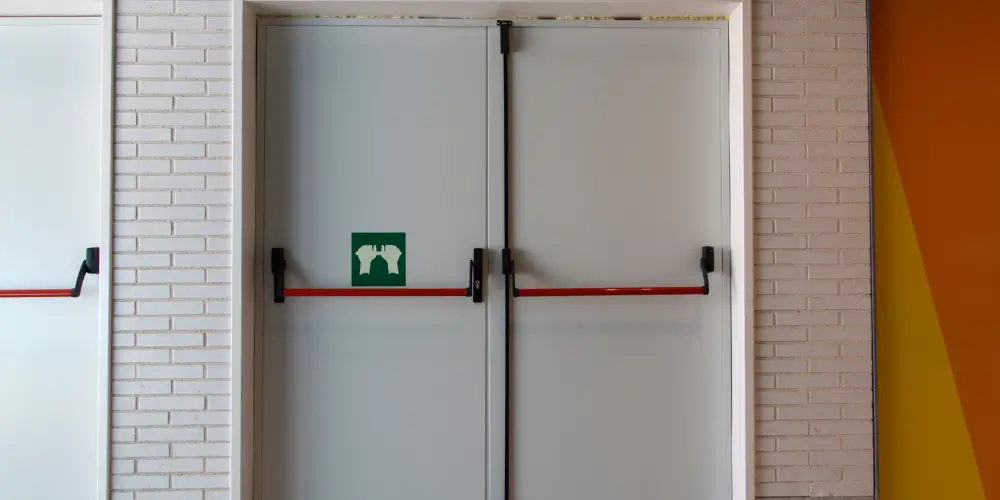
FD30 vs FD60 fire doors in NHS buildings
When comparing FD30 and FD60 fire doors in NHS buildings, the primary difference lies in their fire resistance duration; FD30 doors offer protection for 30 minutes, while FD60 doors protect for 60 minutes.
You’ll find FD30 doors typically used in less critical areas, while FD60 doors are installed in higher-risk zones where extended protection is vital.
Understanding where each type of fire door is utilised can greatly enhance safety strategies within healthcare facilities.
What’s the difference in protection time?
Fire doors labelled FD30 and FD60 offer distinct levels of protection vital for safety in NHS buildings. You must understand the key differences in protection time between these two types to guarantee compliance with NHS regulations and maintain the highest safety standards.
Here’s a breakdown of the main differences:
- Fire Resistance Duration: FD30 doors provide a minimum of 30 minutes of fire resistance. FD60 doors offer a minimum of 60 minutes of protection, doubling the protection time compared to FD30.
- Compliance Checks: Both FD30 and FD60 doors must meet strict NHS regulations that necessitate regular inspection protocols to verify their integrity and functionality.
- Safety Measures: FD60 doors are typically required in higher-risk areas as determined by NHS risk assessment guidelines. The choice between FD30 and FD60 can influence the overall safety measures implemented in a building’s fire safety plan.
- Inspection Protocols: Regular compliance checks and detailed inspection protocols are essential for both types of doors, confirming they meet protection standards and function correctly in an emergency.
Understanding these differences helps you meet NHS safety requirements and enhances the effectiveness of fire safety measures within healthcare facilities.
Where each fire door type is used
In NHS buildings, FD30 fire doors are commonly installed in lower-risk areas such as residential wards and administrative spaces where evacuation is more straightforward and immediate risks are lower. These fire doors provide a minimum of 30 minutes of fire resistance, which is adequate for locations where fire compartmentation strategies primarily aim to facilitate quick and safe evacuation rather than long-term protection.
Conversely, FD60 fire doors are deployed in higher-risk zones such as laboratories, kitchens, and areas housing critical infrastructure or equipment. These areas require a higher level of protection due to the potential for more severe fire hazards or because they’re essential in maintaining the facility’s operational capabilities during a fire. FD60 doors offer at least 60 minutes of resistance, which can be vital for delaying the spread of fire and smoke, thereby providing additional time for firefighting efforts and evacuation procedures.
Adherence to door hardware requirements, installation guidelines, and regular maintenance protocols guarantees the effectiveness of these fire door types.
You must also be aware of the latest regulatory compliance requirements and essential safety training. Regular reviews of testing standards help maintain peak performance and ensure the safety of these critical components in your fire safety strategy.
Where each fire door type is used
You’ll find FD30 fire doors are standard in areas of NHS facilities where the risk is lower and the doors meet NHS safety standards.
However, more critical zones, such as intensive care units or areas storing flammable materials, often require FD60 doors due to their higher risk levels.
These specifications ensure that the safety measures are appropriately matched to potential hazards in various hospital sections.
When FD30 doors meet NHS standards
FD30 fire doors, designed to resist fire for a minimum of 30 minutes, must adhere to specific NHS standards to ensure maximum safety and functionality in healthcare environments.
When you’re aiming to meet these standards, consider the following vital aspects:
- Fire Door Regulations: Confirm the FD30 doors comply with the latest fire door regulations, which include stringent requirements for materials, design, and construction.
- NHS Safety Standards: The doors should align with NHS safety standards, which emphasise patient and staff security, incorporating features such as vision panels and anti-barricade systems.
- Fire Resistance Testing: Regular fire resistance testing is paramount to verify that the doors can indeed withstand fire for at least 30 minutes, as stipulated.
- Compliance Verification and Safety Audits: It’s essential to conduct thorough compliance verification and periodic safety audits to maintain adherence to NHS guidelines and emergency protocols.
High-risk areas that may need more
While FD30 doors provide a baseline level of protection suitable for many areas within NHS facilities, certain high-risk zones demand enhanced fire safety measures. These zones include intensive care units, operating theatres, and areas storing volatile chemicals or oxygen supplies.
In these vital spaces, fire door specifications must surpass the standard FD30 rating, often necessitating FD60 or even FD120 doors to guarantee a higher degree of resistance against fire spread.
You’ll recognise that in high-risk facilities, adherence to stringent fire prevention strategies is non-negotiable. This involves detailed risk assessment procedures that not only pinpoint potential fire hazards but also dictate the appropriate level of fire door protection required to safeguard both patients and staff.
Compliance with these enhanced standards is essential, not just for meeting legal requirements but for upholding the trust placed in healthcare providers.
Moreover, emergency protocols and safety training for staff are integral to these settings. They guarantee that in the event of a fire, actions are swift and coordinated, thereby maximising patient safety measures.
Regular drills and training sessions are essential, as they reinforce the skills needed to handle potential fire incidents effectively while ensuring compliance with NHS safety standards.

What are the responsibilities of NHS staff during a fire incident?
As an NHS staff member, your primary responsibility during a fire incident is to ensure immediate patient safety, prioritising their physical security and emotional well-being.
You must then adhere strictly to the established fire evacuation plan, guiding patients and colleagues to safety with precision and urgency.
This protocol minimises risks and streamlines the evacuation process, safeguarding all individuals within the facility.
Immediate Actions for Patient Safety
In the event of a fire, NHS staff are immediately tasked with ensuring the safety of all patients, prioritising those in vulnerable conditions.
Your actions during these significant moments are guided by rigorously developed emergency protocols and thorough safety training. It’s imperative to perform with precision and confidence, drawing on your knowledge and the tools at your disposal to manage the situation effectively.
Here are the key immediate actions you should take:
- Patient Evacuation: Initiate the evacuation of patients according to the predefined risk assessment outcomes, ensuring that those with limited mobility or other vulnerabilities are assisted first.
- Communication Strategies: Employ effective communication strategies to coordinate with your team and convey urgent information clearly and quickly to all staff and patients.
- Equipment Maintenance: Ensure that all necessary safety and firefighting equipment is functional and accessible, as regular maintenance is critical for an effective response.
- Incident Reporting: Document all actions and observations accurately for incident reporting, as this will be essential for post-incident analysis and future risk mitigation.
Your adherence to these steps is fundamental in upholding the safety and well-being of everyone involved.
Following the Fire Evacuation Plan
Upon activation of the fire alarm, NHS staff must promptly follow the established fire evacuation plan, guaranteeing a systematic and safe exit for all individuals on the premises.
You’re required to know the evacuation routes, which are marked by emergency signage. Familiarity with these pathways is vital, as it ensures that your response is swift and second nature during an emergency.
Your training encompasses the usage and locations of safety equipment, which you should deploy efficiently. Regular participation in fire drill protocols isn’t merely a compliance formality but a significant preparatory measure.
These drills hone your ability to evacuate patients safely, particularly those who are immobile or require specialised transport aids, to designated patient assembly points.
Communication systems play a pivotal role. You must use these tools to report your status and receive updates. Effective communication guarantees that all team members are informed and can adapt to changing conditions swiftly.
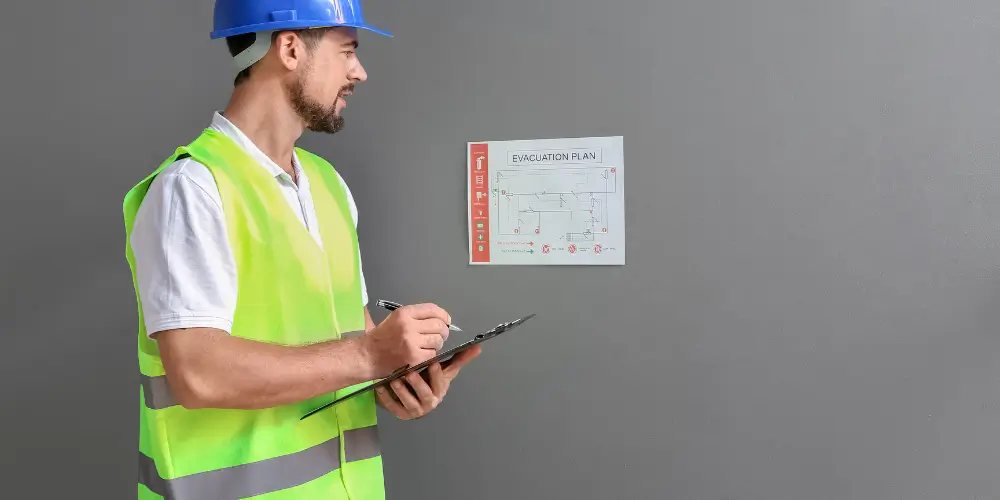
Who is responsible for fire safety in the NHS trust?
In NHS settings, the ultimate responsibility for fire safety often rests with the designated Fire Safety Manager.
This role involves not only creating and maintaining fire risk assessments but also ensuring that all staff are adequately trained in fire safety procedures.
They coordinate drills, inspect fire prevention equipment, and collaborate closely with local fire services to maintain safety standards.
Fire Safety Responsibility in NHS Settings
Who holds the responsibility for fire safety within NHS trusts? It’s a vital question you’re right to ask.
Within an NHS trust, multiple layers of responsibility ensure that fire safety regulations and NHS compliance standards are rigorously met.
Here’s a breakdown of the key players involved:
- Trust Board: The ultimate responsibility lies with the Trust Board, which oversees the strategic implementation of fire safety policies and procedures.
- Fire Safety Team: Specialised teams are tasked with developing staff training programs, coordinating emergency response protocols, and conducting regular reviews of evacuation procedures.
- Facilities Management: This group conducts fire risk assessments, maintains safety equipment, and ensures that all physical fire safety measures comply with standards.
- All Staff Members: Every individual is responsible for adhering to fire safety practices, participating in training, and following incident reporting procedures.
As you navigate your role or interaction within the NHS, understanding these layers of responsibility is essential.
Each level contributes to a comprehensive framework designed to protect both patients and staff from fire hazards, ensuring a safe environment where healthcare can thrive without undue risk.
Duties of the Fire Safety Manager
Understanding the layers of responsibility in NHS fire safety, it’s clear that the Fire Safety Manager plays a significant role. You’re responsible for ensuring that all aspects of fire safety are managed by stringent fire safety regulations. This includes conducting detailed fire risk assessments to identify potential hazards within the NHS facility.
You’ll need to develop and implement effective emergency evacuation procedures, ensuring they’re understood and easily executed by all staff members. Your duties also include the maintenance of fire safety equipment, including regular checks and servicing of fire doors to prevent failures in critical moments.
Training is another important area under your purview. You’re tasked with organising thorough training sessions that meet all legal training requirements, ensuring staff are well-prepared to handle a fire incident.
Furthermore, you must manage incident reporting processes and maintain accurate records to ensure compliance with audits. These audits are crucial for evaluating the effectiveness of fire safety measures and making necessary adjustments to ensure optimal safety.
Finally, you oversee the delegation of staff responsibilities, ensuring everyone is clear on their roles in maintaining a safe environment. Your leadership is significant in fostering a culture of safety and preparedness within the NHS.
Who approves NHS fire door installations?
You should be aware that NHS fire door installations require approval from fire safety officers and building control authorities.
They’ll review your submitted documentation to guarantee it meets established safety standards and regulations.
Once they’ve signed off, you can proceed with the installation, confident that it complies with all requirements.
Fire safety officers and building control
In the domain of NHS facilities, fire safety officers and building control authorities are tasked with approving fire door installations. As you navigate the complexities of compliance, it’s vital to understand the roles and responsibilities that secure the safety and efficiency of these essential components.
Fire safety officers, equipped with thorough fire officer training, conduct meticulous inspections of fire doors and other critical safety equipment. Their expertise in fire risk assessments and incident reporting protocols is essential for maintaining the integrity of fire prevention measures.
Building control authorities, on the other hand, enforce building control regulations, confirming that every installation aligns with current safety standards.
Here are the key activities involved in the approval process:
- Conducting Safety Compliance Audits: Rigorous evaluations to verify adherence to safety standards.
- Reviewing Fire Risk Assessments: Identifying potential hazards that could impact the effectiveness of fire doors.
- Implementing Fire Safety Training: Educating staff on emergency evacuation procedures and proper use of fire doors.
- Overseeing Fire Door Inspections: Detailed checks to confirm doors function correctly and resist fire as intended.
This integrated approach ensures that fire door installations in NHS facilities not only meet regulatory requirements but also maintain the highest safety standards, thereby safeguarding both property and lives.
Required documentation and sign-off
When installing NHS fire doors, specific documentation must be prepared and approved to guarantee compliance with safety regulations. You’re required to adhere to stringent fire door regulations that dictate every aspect of the installation process. Your compliance documentation forms the backbone of this procedure, ensuring that all steps meet specified safety and quality thresholds.
First, you’ll compile an inspection checklist that covers every critical phase of the installation. This checklist not only guides the installation but also serves as a record for safety audits.
Regular audits verify adherence to installation standards and maintenance protocols, which are essential for the ongoing reliability of fire doors. Certification processes follow these audits. A certified fire safety officer reviews all documentation, including the completed inspection checklist and audit results.
This officer bears oversight responsibilities and is authorised to approve or reject the installation based on compliance with NHS standards.
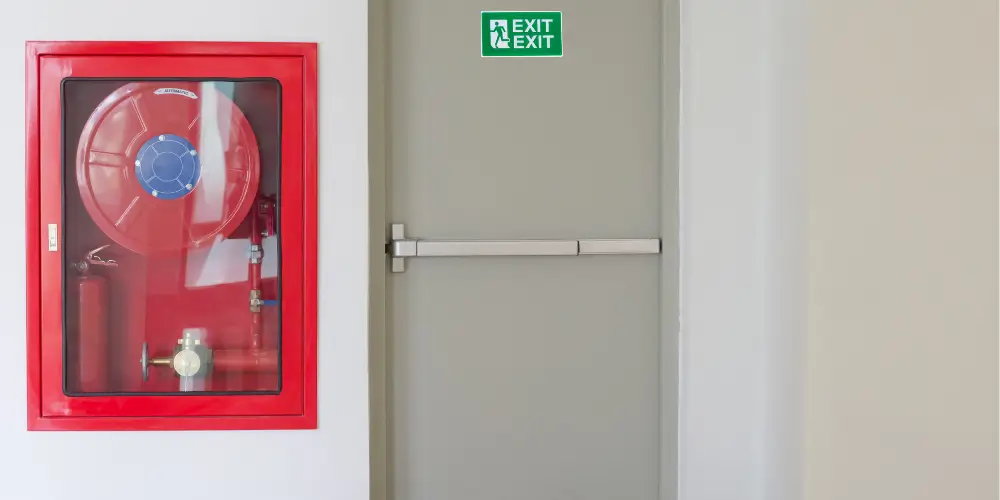
NHS fire door certification and labelling
You must guarantee that NHS fire doors are correctly labelled to indicate compliance with safety standards.
These labels provide critical information, including the door’s fire resistance rating and manufacturer details.
To verify compliance, you’ll need to inspect these labels and check that they match the specifications outlined in the fire safety certification documents.
What labels must fire doors have?
Certification and labelling are essential for NHS fire doors to guarantee compliance and safety. As you navigate through the complexities of fire door regulations, understanding the labels on these doors is vital. These labels not only inform about the door’s capabilities but also confirm that the installations are up to the required standards.
Here’s what you need to know about fire door labels:
- Fire Door Ratings: The label must display the fire-resistance rating, indicating the duration for which the door can withstand fire. Common ratings include FD30 (30 minutes) and FD60 (60 minutes).
- Fire Door Classifications: Details about the type of fire door based on its construction and materials used. This classification helps you understand the door’s structure and design specifications.
- Certification Mark: This indicates that the fire door complies with specific standards. It’s usually a mark from an accredited body confirming fire door compliance and quality.
- Maintenance Information: Essential for fire door inspections and maintenance, this label provides guidelines on how to keep the door in peak working condition.
How to verify compliance
To guarantee NHS fire doors meet rigorous safety standards, you must verify their compliance through proper certification and labelling. Explore the certification processes that align with fire door regulations. Each door must be accompanied by a label that clearly shows the door’s fire-resistance rating and the certifying body’s mark. This label is your assurance that the door has been tested to meet specific compliance standards.
You must also familiarise yourself with the detailed inspection requirements. Regular risk assessments should be conducted to determine if the fire doors continue to comply with safety protocols. These evaluations are vital, especially after any significant building modifications or noticeable wear and tear.
Adhere to the established installation guidelines and maintenance practices. Incorrect installation can compromise the door’s integrity, rendering it less effective in preventing the spread of fire and smoke. Regular maintenance guarantees that safety mechanisms remain operational and the door’s structural integrity is maintained.
Stay informed about any changes in legislation or standards to ensure ongoing compliance with relevant regulations. This proactive approach not only enhances safety but also ensures legal compliance, thereby reducing potential liabilities.
NHS fire door inspection frequency
You must conduct weekly, monthly, and annual inspections of NHS fire doors to guarantee their effectiveness in an emergency.
During these checks, it’s vital to assess elements such as door integrity, seals, and hardware functionality.
Understanding what to look for during each inspection can greatly enhance safety compliance and door performance.
Weekly, monthly, and annual checks
Regular inspections of NHS fire doors are imperative for guaranteeing their effectiveness and safety.
You’re tasked with maintaining rigorous standards, and understanding the inspection frequency is critical for compliance and operational integrity.
Here’s a breakdown of the necessary checks:
- Weekly Checks: Verify that fire doors are clear of obstructions and damage. Confirm that they close properly and that the seals are intact.
- Monthly Inspections: More thorough than weekly reviews, these involve checking for signs of wear or damage to the door and frame. Test the functionality of closers and latches for proper operation.
- Annual Assessments: Conduct an all-encompassing review of each fire door in your facility. This includes a detailed examination of fire resistance integrity and mechanical elements. It’s also the time for a fire safety audit.
- Ad-hoc Inspections: Conduct post-incident or when alterations to the structure occur to reassess the doors and verify they meet the latest safety regulations and compliance requirements.
Adhering to these maintenance schedules and incorporating regular risk assessments, training programs, and fire door inspections using detailed inspection checklists is essential.
This systematic approach guarantees that you meet all safety regulations and compliance requirements effectively.
What to look for during inspections
Having established the frequency of NHS fire door inspections, let’s focus on the specific elements inspectors should assess during these evaluations.
During these essential checks, you’ll first need to guarantee compliance with NHS safety standards through rigorous examination of fire door integrity. This involves verifying that doors are free from damage, appropriately sealed, and maintain the ability to close fully and securely.
Inspectors should also scrutinise hardware components, such as hinges, handles, and locks, which must function flawlessly to meet safety regulations. The alignment of the door within its frame is vital to prevent smoke and fire penetration, a key component of emergency preparedness.
Additionally, assess the door’s fire-resistance rating against NHS fire risk assessments to confirm it’s appropriate for its location and purpose.
Documentation plays a critical role in fire door maintenance and compliance verification. You should review inspection checklists to track any changes or degradation that may occur over time. This historical data is essential for understanding the lifespan and maintenance needs of fire doors.
Lastly, evaluate the surrounding area to confirm there are no obstructions that could impede the door’s operation. This thorough approach guarantees that fire door inspections effectively uphold NHS standards and enhance safety.
Frequently Asked Questions
How long is an NHS fire door tested to contain fire, smoke and toxic fumes?
Most NHS specifications use FD30 or FD60 (30 or 60 minutes fire resistance). Smoke control depends on the correct seals, closer, installation, and maintenance.
How long is an NHS fire door tested to contain fire?
Typically 30 minutes (FD30) or 60 minutes (FD60) depending on risk and location.
What is the minimum time for an NHS fire door?
Many areas use FD30 as a baseline, while higher-risk areas may require FD60.
What affects NHS fire door performance over time?
Incorrect installation, damaged seals, missing self-closers, poor gaps, wear and tear, and lack of inspections.
How Can NHS Fire Doors Be Recycled or Disposed Of?
To recycle or dispose of NHS fire doors, you’ll navigate local guidelines and NHS policies focused on materials recovery, ensuring environmental impact and safety regulations are met through approved waste management and disposal methods.
