Fire risk assessments are crucially conducted to systematically evaluate the potential fire hazards within a business or residential environment, ensuring that adequate safety measures are in place to protect occupants and property. This process involves a detailed fire hazards overview, where assessors identify all potential sources of ignition, fuel, and oxygen.
The risk assessment process then delineates the likelihood and potential impact of a fire, guiding the implementation of robust mitigation strategies.
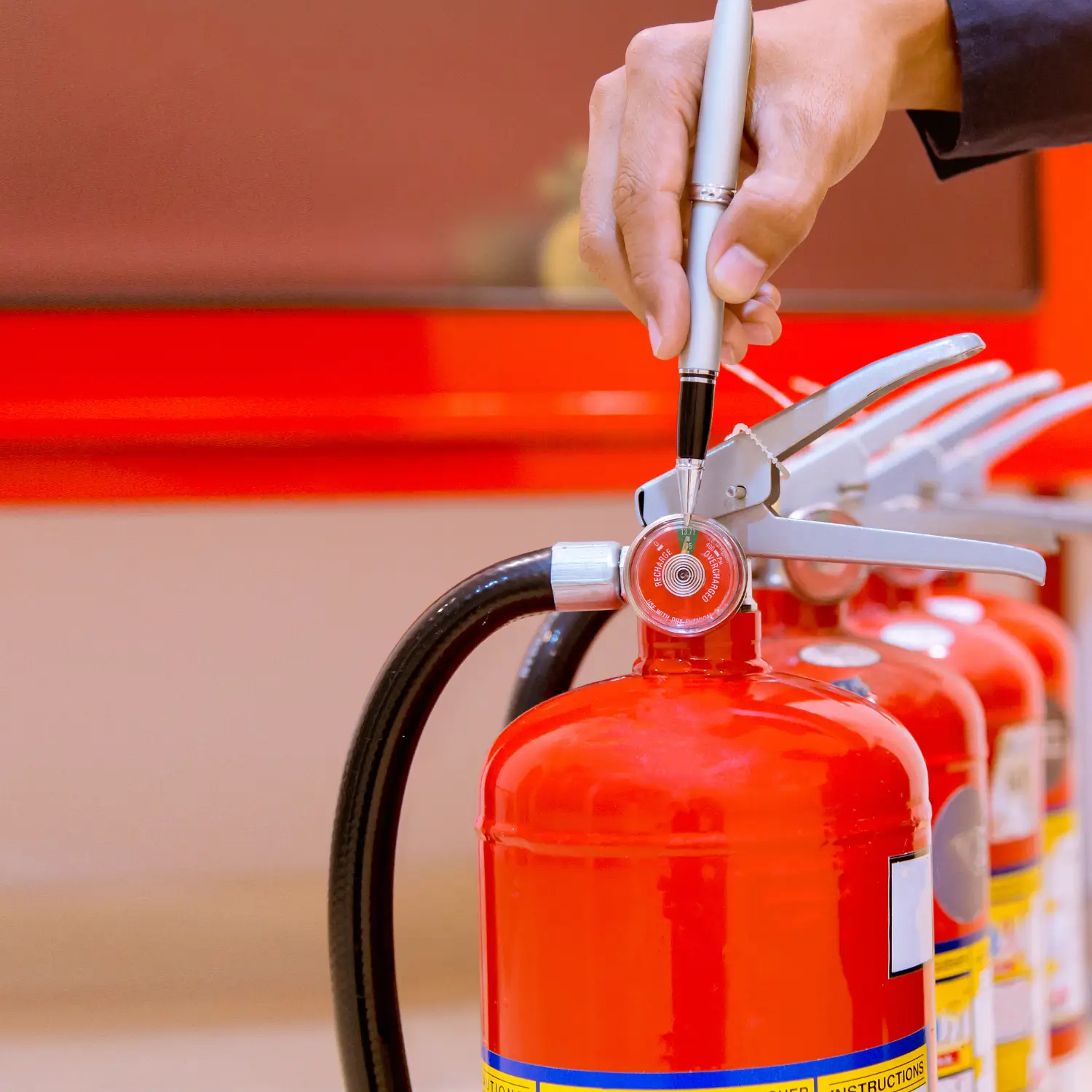
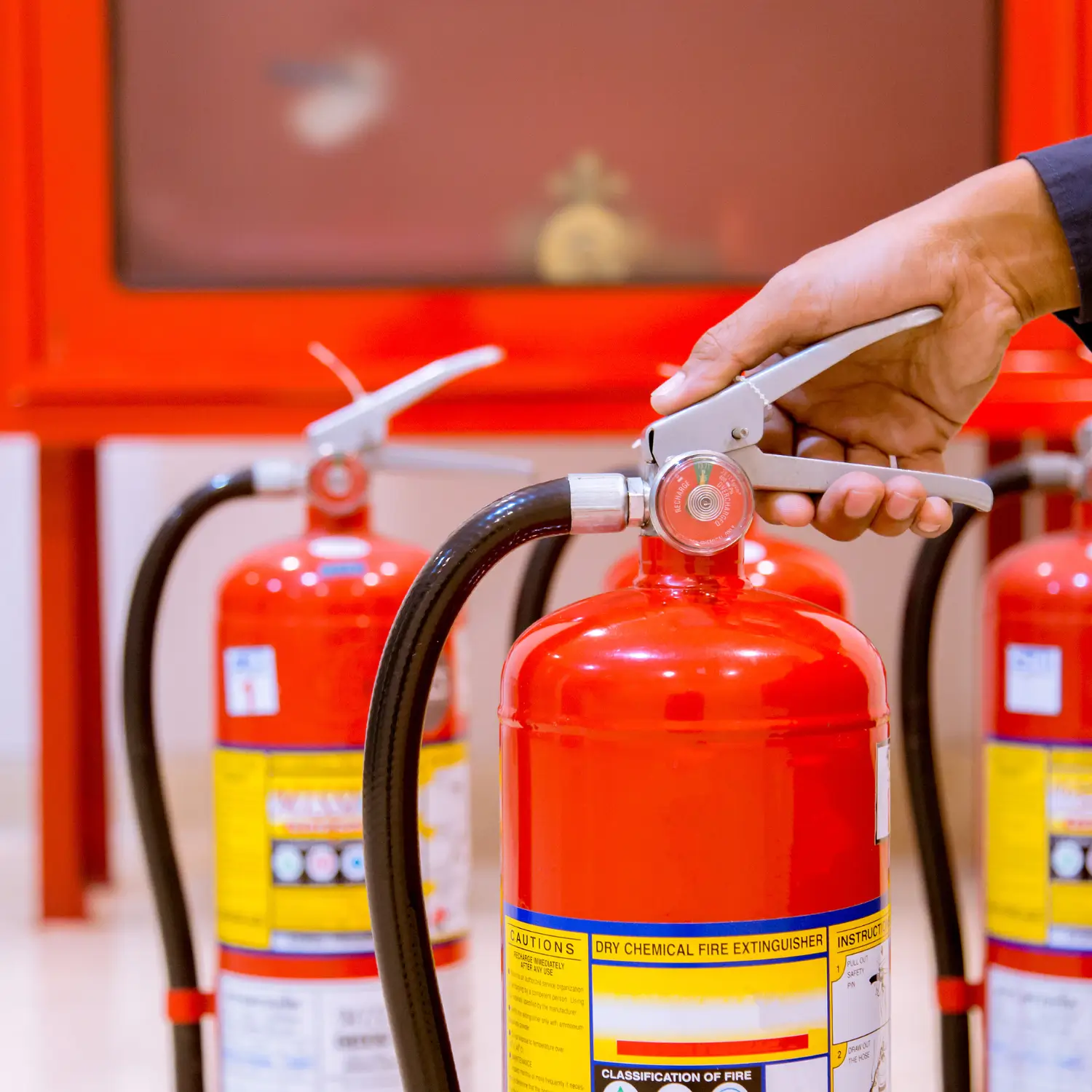
Safety equipment essentials form a core component of the recommendations. These include fire extinguishers, alarms, smoke detectors, and sprinkler systems, tailored to the specific needs of the premises. The selection and placement of this equipment are critical and are often guided by a comparative analysis of extinguishing methods, which evaluates effectiveness in various scenarios.
Moreover, fire prevention tips are integrated into the final report, emphasizing practices like electrical safety checks and safe storage of flammable materials. These tips contribute to a proactive workplace safety culture, which is further reinforced by mandatory emergency evacuation plans and the importance of conducting regular fire drills.
The drills ensure that all occupants are familiar with evacuation procedures, thereby minimizing panic and confusion during an actual emergency.
The fire department plays a vital role in reviewing and endorsing these plans, providing expert insights that enhance the preparedness of the establishment.
Lastly, a regulatory updates summary ensures that the assessment adheres to current laws, such as the Regulatory Reform (Fire Safety) Order 2005 and the Fire Safety Act 2021, aligning safety protocols with the latest statutory requirements.