

The lifespan of your electrical certificate depends greatly on the type of property and its use. For residential properties, you typically look at a validity of up to 5 years. However, a change in ownership could necessitate an earlier inspection. If you’re dealing with rental properties, inspections must be conducted every 5 years or whenever there’s a change in tenancy. For commercial settings, the requirement can be as frequent as every 1 to 5 years based on specific risks and industry standards. Understanding these variances and keeping track of the expiration will guarantee you stay compliant and avoid potential legal or safety issues. Further exploration will uncover more about maintaining compliance and optimising safety assessments.
Key Takeaways
- Residential property electrical certificates typically last up to 5 years.
- Rental properties require electrical inspections every 5 years or with each tenant change.
- Based on usage and risks, commercial property certificates may need renewal every 1 to 5 years.
- Certificates for properties with swimming pools require annual renewal.
- The validity of electrical certificates varies by property type and maintenance practices.
Table of Contents
Understanding Electrical Certificate Validity
Understanding the validity of an electrical certificate is vital for guaranteeing your property remains safe and compliant with local regulations. As a homeowner, you’re part of a community that values diligence and adherence to safety standards. It’s your responsibility to keep abreast of the certification process, which verifies that your electrical system meets specific compliance regulations.
Electrical certificates come in various types, each tailored to different aspects of your home’s electrical system. For instance, the initial installation certificate is issued after a new electrical system is installed, confirming it complies with the latest safety standards. On the other hand, periodic inspection certificates are required at intervals defined by inspection frequency guidelines, which depend on the property type and usage.
The legal requirements surrounding electrical certificates are stringent. Not only must you guarantee that a certified electrician performs all electrical upgrades and installations, but you must also maintain records of these certifications. These documents are vital during property inspections or when selling your house, as they provide proof of compliance with national safety standards.
Moreover, understanding homeowner responsibilities in the certification process helps you avoid potential legal issues. Regular inspections, mandated by inspection frequency standards, aren’t just a legal formality. They’re a significant part of maintaining the safety and integrity of your electrical system, protecting you and your community from the risks of outdated or faulty wiring.

How Long is an Electrical Certificate Valid?
Having covered your responsibilities as a homeowner regarding electrical certification, let’s now focus on the lifespan of these certificates. Understanding the validity of an electrical certificate is vital for guaranteeing your home remains safe and compliant with regulatory requirements.
Typically, an electrical safety certificate‘s validity depends on several factors, including the type of certification and the property’s use. For domestic properties, certificates usually last up to 10 years or upon change of ownership.
However, rental properties generally require a higher inspection frequency, requiring checks every five years or at each change of tenancy. This frequency guarantees that maintenance practices are up to par and that potential risks are assessed and mitigated promptly.
The certification process for these properties is often more rigorous, reflecting the higher stakes associated with commercial electrical safety.
The certification types vary. Some focus solely on fixed wiring, while others include a more thorough check of electrical appliances and installations. Each type of certification aligns with distinct compliance standards and risk assessments, influencing how often you’ll need to renew it.
It’s essential to stay informed about the regulatory requirements specific to your property type and follow recommended inspection frequencies. Regular updates to your electrical certification help guarantee that your home or business is compliant, safe, and efficiently powered.
Factors Influencing Duration
Several key factors can influence the duration of an electrical certificate, each significant in determining when your next inspection should occur. You’re part of a community that values safety and compliance, so understanding these factors will guarantee you’re always on the right side of local regulations.
- Safety Standards and Regulatory Changes: Safety standards and the laws governing them evolve. When new safety protocols are introduced, or existing ones are tightened, current electrical systems are often re-evaluated to confirm compliance.
Additionally, regulation changes can prompt a need for more frequent inspections or even immediate upgrades.
- Installation Quality and Maintenance Practices: The initial quality of your electrical installation plays a vital role in how long your certification remains valid. High-quality installations with fewer initial defects will likely extend the interval between mandatory inspections.
Consistent maintenance practices are equally important; well-maintained systems are less likely to develop faults that could shorten the lifespan of your certification.
- Electrical Upgrades and Certification Types: Whenever you upgrade your electrical system, a new inspection might be required to receive updated certification. Different certification types may have varying validity periods based on the scope and scale of the installation.
It’s important to stay informed about the specific requirements for your certification type following any upgrades.
Staying informed about these factors isn’t just about compliance; it’s about safeguarding the safety and efficiency of your electrical systems.
You’re not just following rules but protecting your environment and those within it.
Residential Vs. Commercial Differences
Regarding electrical certificates, residential and commercial properties face distinct requirements and challenges.
Residential inspections typically focus on guaranteeing the safety of living spaces and adhering to code compliance that protects you and your family. This involves checking wiring installation, the proper function of circuit breakers, and the safety of electrical appliances.
On the other hand, commercial electrical safety legal requirements are more stringent due to the higher risks and complexities involved. To prevent fires or other hazards, businesses must meet safety standards beyond residential codes, including emergency lighting, power load capacities, and safety shut-offs.
The installation differences are considerable because commercial buildings often have larger-scale electrical systems that require specialised knowledge to manage effectively.
Furthermore, maintenance practices in commercial settings are usually under stricter schedules and protocols, as downtime can lead to substantial financial loss. This is less of a concern in residential contexts where the impact, although still considerable, doesn’t typically affect commercial operations or public safety.
Liability issues also diverge considerably between the two. In commercial environments, the stakes are higher if something goes wrong, leading to greater regulatory variations and often more rigorous inspections.
You’re part of a community, whether you live in a house or run a business, and understanding these differences helps guarantee that everyone’s safety and legal obligations are met.
When Does an Electrical Certificate Expire?
Understanding the differences between residential and commercial electrical requirements sets the stage for appreciating the significance of monitoring the validity period of your electrical certificate. As a property owner, you’re responsible for guaranteeing that your building’s electrical systems comply with current electrical safety standards and that your certificate doesn’t expire unnoticed.
The lifespan of an electrical certificate can vary considerably based on several factors, including the type of property, the usage of the building, and the jurisdiction. However, typical durations before a certificate may need renewal include:
- Residential properties: Usually every 5 years
- Commercial properties: Often every 1 to 5 years
- Properties with a swimming pool: Every 1 year
Keeping track of these dates is essential to maintaining the safety and legality of your property’s electrical system. The certificate renewal process isn’t just a formality; it’s a fundamental risk management strategy that guarantees your property adheres to the latest electrical code changes and compliance requirements.
This process also involves regular inspections that align with inspection frequency guidelines designed to catch potential issues before they become serious hazards.
Additionally, the significance of maintaining up-to-date certification documentation can’t be overstated. This documentation proves your compliance with electrical safety standards and can be critical for insurance claims and legal matters.
As the standards evolve, staying informed about new electrical code changes and understanding how they affect your property is necessary. Remember, it’s your responsibility to initiate the renewal process and guarantee that your property remains within the bounds of the law and safety regulations.

Importance of Regular Inspections
Regular inspections of your property’s electrical systems are crucial for guaranteeing ongoing safety and compliance with legal standards. These evaluations uphold safety standards and align with evolving compliance requirements. As you’re part of a community committed to safety and efficiency, understanding the necessity of these checks helps you maintain your property’s integrity and value.
Electrical audits are a critical component of these inspections. They involve thoroughly examining your electrical systems to verify that all components meet current regulatory updates and function efficiently. By conducting these audits, you’re adhering to regulations and performing a key risk assessment that can pinpoint potential hazards before they escalate into serious issues.
Moreover, it is essential to stay updated with maintenance schedules. These schedules aren’t just about fixing problems as they arise; they’re about preemptive action. This proactive approach minimises the risk of electrical failures. It contributes to the overall safety and longevity of your property’s electrical infrastructure.
Let’s not overlook the financial aspect. Regular electrical inspections can greatly influence your property value. A well-maintained, compliant electrical system enhances property appeal to potential buyers and can elevate market value.
Additionally, these inspections have profound insurance implications. Many insurance companies favour properties that consistently meet safety protocols, potentially lowering insurance premiums.
Integrating regular electrical inspections into your property management isn’t just a regulatory formality—it’s a strategic, value-adding activity that promotes safety, compliance, and financial prudence. Embrace these practices to protect and enhance your investment.
Consequences of Expired Certificates
If your electrical certificate expires, you’ll face significant legal and safety consequences. Operating with an outdated certificate can expose you, your property, and anyone who resides or works there to severe risks. Understanding the full impact of letting your electrical certification lapse is essential for maintaining safety, guaranteeing compliance, and safeguarding your interests.
Here are three critical areas affected by an expired electrical certificate:
- Legal Implications: Failing to renew your certificate can violate local and national safety codes, leading to fines and potential legal actions.
You’re also likely to encounter complications in maintaining regulatory compliance, which could result in operational shutdowns or restrictions.
- Insurance Issues: Most insurance companies require a valid electrical certificate to provide coverage. Without it, you risk voiding your policy.
If electrical failures occur, leading to damage or injury, you might be fully liable for all costs, as your insurer could deny any claims.
- Safety Hazards and Liability Concerns: An expired certificate suggests that your electrical systems may not meet current standards, increasing the risk of electrical failures.
This not only poses safety hazards but also heightens your liability in the event of an accident. You could be held responsible for any harm stemming from neglected electrical safety.
Maintaining an up-to-date electrical certificate isn’t just a bureaucratic formality. It directly influences property value, protects tenant rights, and guarantees a safe living or working environment.
Renewing Your Electrical Certification
To avoid the severe consequences of an expired electrical certificate, you must take timely action to renew it. Understanding the renewal process is essential to maintaining your status as a certified electrician. This involves meeting updated certification requirements that guarantee your skills and knowledge align with current safety regulations and compliance standards.
Firstly, check the inspection frequency for your specific certification type. Different certifications may have varying requirements and timelines. For instance, a residential electrician might face different inspection schedules than someone certified in industrial electrical work. Stay informed about these distinctions to avoid any lapses in your certification.
Documentation needed for renewal typically includes proof of completed continuing education courses, a record of any supplementary training, and evidence of recent work experience. Each piece of documentation proves your dedication and compliance with evolving industry standards.
Moreover, verify that your electrician qualifications are up to date. This involves both practical experience and theoretical knowledge. Regulatory bodies often update their qualification criteria to incorporate new technology and techniques, so continuous learning is your best tool for success.
Additionally, adhere strictly to the specified safety regulations. These are designed to protect you and guarantee the safety of those who utilise the electrical systems you work on. Non-compliance can lead to serious legal repercussions and endanger public safety.
Cost Factors in Recertification
Understanding the cost factors in recertification is essential as you prepare to renew your electrical certification. Manoeuvring through the recertification process involves various expenses directly impacting your budget and compliance with evolving electrical standards.
Here’s what you need to know to manage these costs effectively:
Inspection Frequency
The regularity of required inspections can greatly influence the total cost. More frequent inspections generally mean higher ongoing expenses.
Certification Types
Different certifications might have varied requirements and fees. Understanding the specific type you hold or need can help you accurately tailor.
Contractor Fees
These vary widely based on the complexity of the systems involved and the expertise of the
contractor you
choose.
These cost elements are interlinked with compliance requirements that guarantee safety and adherence to updated standards. The service intervals, or how often your electrical systems are professionally reviewed and maintained, also play a key role in shaping the costs.
Delaying these intervals might reduce costs in the short term. Still, in the long-term, it can lead to higher expenses due to non-compliance or system failures.
You must stay informed about the latest electrical standards and how they influence recertification. This helps in proper budgeting and guarantees you’re never caught off guard by unexpected fees or compliance issues.
Always remember, investing in regular and thorough recertifications isn’t just a regulatory formality but a core aspect of maintaining the integrity and safety of your electrical installations.
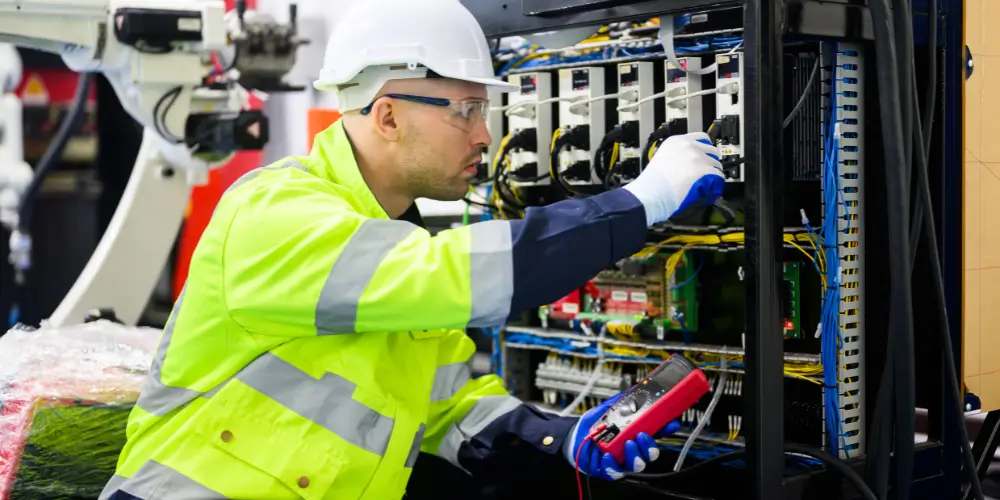
Finding Qualified Electricians
Selecting a qualified electrician guarantees that your electrical systems are installed, maintained, and repaired to the highest standards. First, focus on licensed electricians who’ve undergone a rigorous certification process. This guarantees that they meet the stringent requirements to handle complex electrical tasks safely and effectively.
Don’t overlook the importance of electrician qualifications when searching for a professional. Reputable electricians will have the requisite technical knowledge and a thorough understanding of local regulations. This is vital because compliance with these rules protects you from legal issues and guarantees electrical safety within your home or business premises.
To find these professionals, consider leveraging certification agencies. These bodies maintain a database of certified electricians regularly assessed to guarantee they keep up with the latest industry standards and safety protocols.
Additionally, finding reviews left by previous clients can give you invaluable insights into the electrician’s reliability and quality of work.
Once you’ve identified a few potential candidates, it’s wise to compare quotes. However, remember that the cheapest option isn’t always the best. You’re seeking a balance between cost, expertise, and service quality. Guarantee that the quotes include a detailed breakdown of the services provided, which helps make an informed decision.
Frequently Asked Questions
Can I Sell My House Without a Valid Electrical Certificate?
You can sell your house without a valid electrical certificate. Still, it might affect the sale process, buyer requirements, and negotiation strategies. To protect property value, always consider legal implications, insurance considerations, and disclosure obligations.
Does a New Appliance Installation Require Updating the Certificate?
Yes, installing a new appliance typically requires updating your electrical certificate to guarantee compliance with installation guidelines, electrical codes, and energy efficiency standards. This process involves qualified electricians, enhancing both safety and warranty protections.
Are Electrical Certificates Required for Rental Properties?
Electrical certificates are mandatory for rental properties to guarantee tenant safety, comply with legal standards, and uphold landlord responsibilities. Regular inspections and certificate updates align with rental regulations and protect tenant rights.
Can a Homeowner Conduct Their Own Electrical Inspection?
As a homeowner, you can initiate DIY inspections, but beware! Common mistakes can occur. Adhere to local regulations and consult professional electricians to guarantee electrical safety and meet certification processes. Remember, inspection frequency matters.
What Happens During an Electrical Certificate Inspection?
During your electrical certificate inspection, a qualified inspector examines for common violations, ensuring electrical safety through a detailed inspection process. They assess various certification types, discussing cost factors and homeowner responsibilities, including inspection frequency.
