Operational Limitations on an EICR (UK Guide)
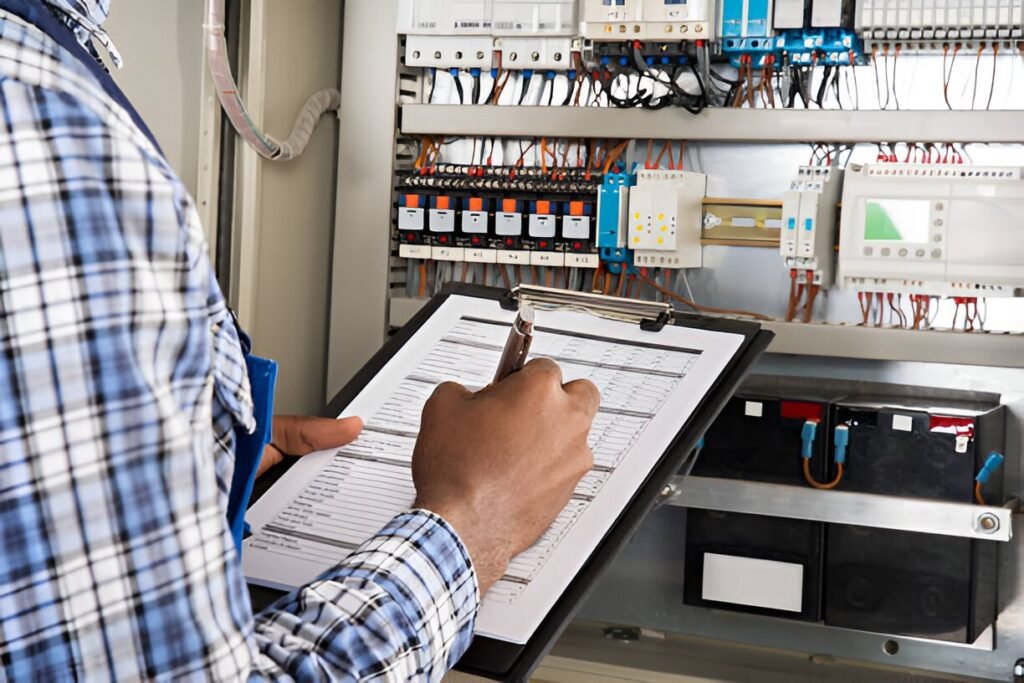
Operational limitations in an EICR are restrictions that stop an electrician from fully inspecting or testing parts of the fixed electrical installation (for example: no access, safety risk, or the building can’t be powered down).They must be recorded in the report because anything not inspected/tested may still contain defects. Last updated: 2026Reviewed by: London Safety […]
A Box Contains 20 Fuses of Which 5 Are Defective

In a scenario where 20 fuses are present and five are found to be defective, the implications for electrical safety and system reliability are profound. This 25% defect rate not only raises questions about manufacturing standards and quality control processes but also underscores the necessity for rigorous testing and inspection protocols. As we explore the […]
You Encounter Hazard Class 1.1 Materials at Risk From Fire
Managing hazardous Class 1.1 materials in industrial safety poses a critical challenge, particularly when these substances are at fire risk. Characterised by their potential for mass explosion, these materials demand rigorous adherence to regulatory standards and an acute awareness of the conditions under which they become perilously volatile. The question then arises: What preemptive measures […]
Who Pays for an Eicr Report When Buying a House

In property transactions, allocating responsibilities for obtaining an Electrical Installation Condition Report (EICR) often prompts a significant debate: should the buyer or seller bear the cost? Traditionally, it falls upon the buyer to ensure that the electrical systems of their potential new home meet safety standards, thereby absorbing the expense as a facet of their […]
10 Way Fuse Box Consumer Unit
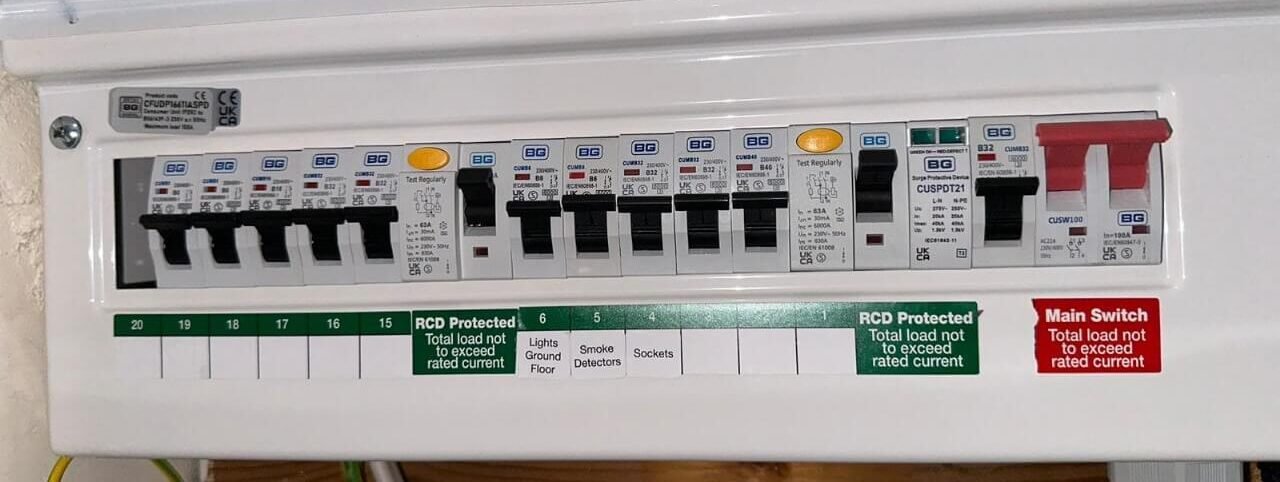
In electrical safety and efficiency, the 10 Way Fuse Box Consumer Unit stands out as a pivotal tool. Designed to cater to robust commercial environments and intricate residential systems, this unit simplifies managing multiple circuits and ensures compliance with stringent safety regulations. However, the true depth of its impact, particularly in terms of installation nuances […]
Describe Practices That Prevent Fires From Starting and Spreading

Effective fire prevention and containment strategies are critical for ensuring the safety of both property and lives. Key practices include the careful management of combustible materials and the diligent maintenance of electrical systems to mitigate potential ignition sources. Moreover, the strategic placement of smoke detectors and the use of flame-retardant materials play pivotal roles in […]
Describe Practices That Prevent Fires From Starting
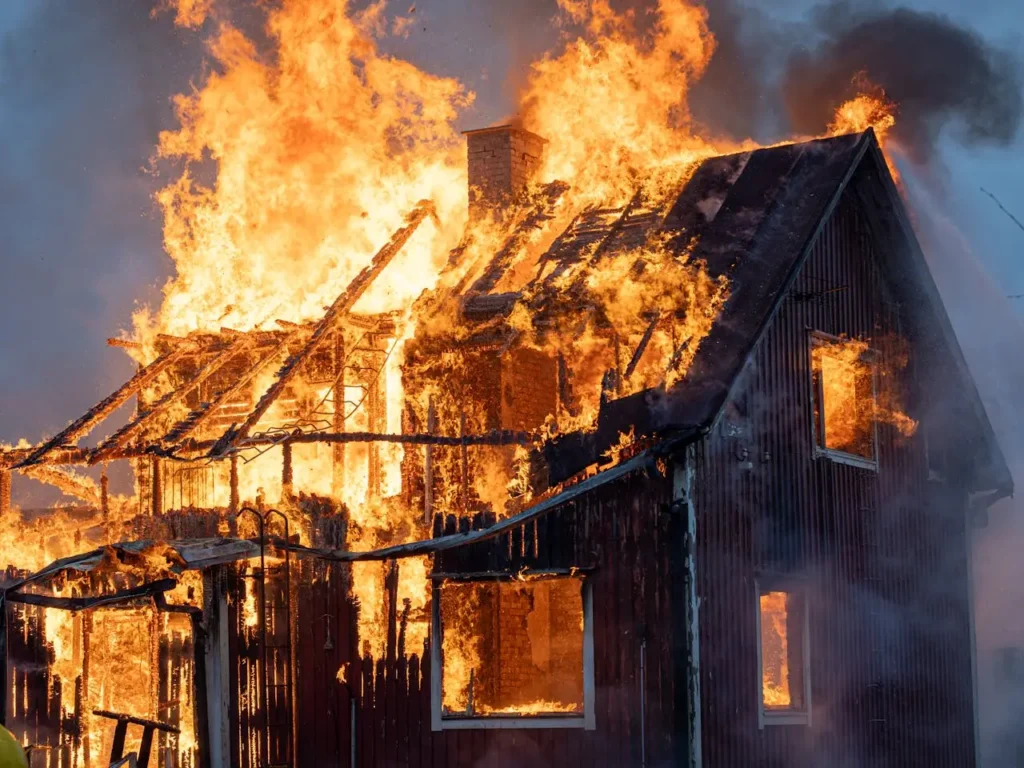
Fires in the workplace rarely happen without warning. In most cases, they begin because an ignition source, a fuel source, and poor control measures come together in the wrong conditions. That is why fire prevention is not just about responding to a fire once it starts. It is about reducing the chances of a fire […]
What Responsibilities Do All Staff Have During a Fire Incident?
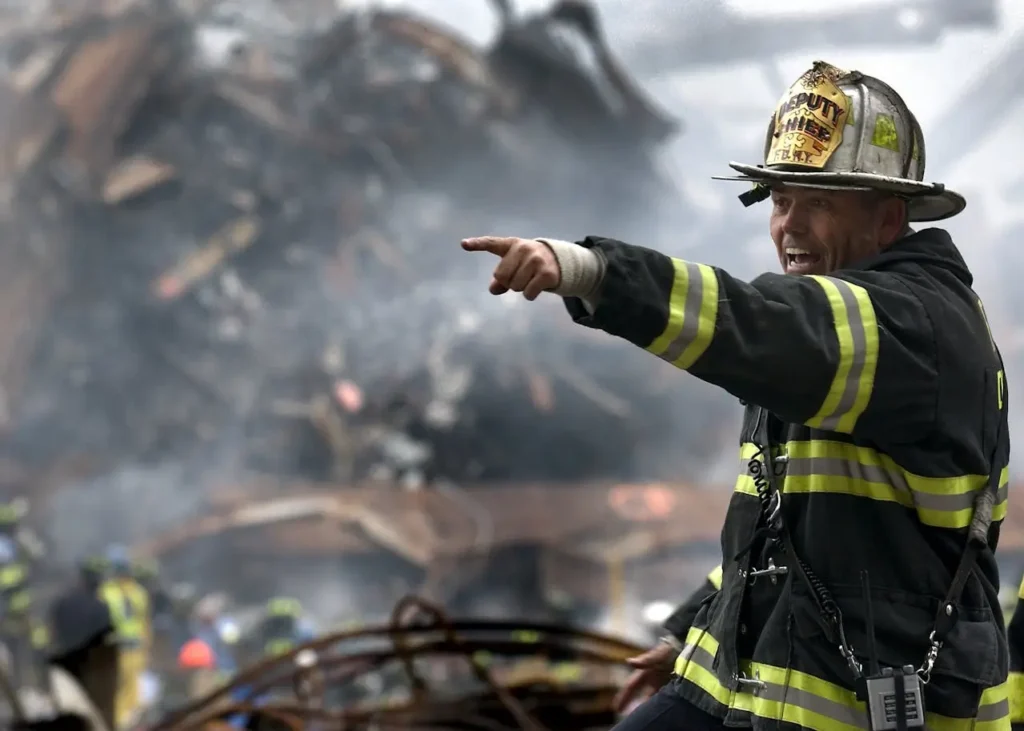
During a fire incident, all staff have a clear responsibility to raise the alarm, follow the fire procedure, evacuate safely, help only within the limits of their training, and report to the assembly point without re-entering the building. That is the core answer. In practice, staff responsibilities during a fire incident are not about improvising. […]
Do I Need an EICR for Commercial Premises

As we navigate the intricacies of maintaining commercial properties, the importance of an Electrical Installation Condition Report (EICR) cannot be overstated. Securing an EICR for commercial premises in London is crucial, as this critical assessment ensures that electrical systems meet stringent safety standards and comply with legal requirements. However, the frequency and specific obligations can […]
EICR C3 Meaning: Understanding the Code and Its Implications
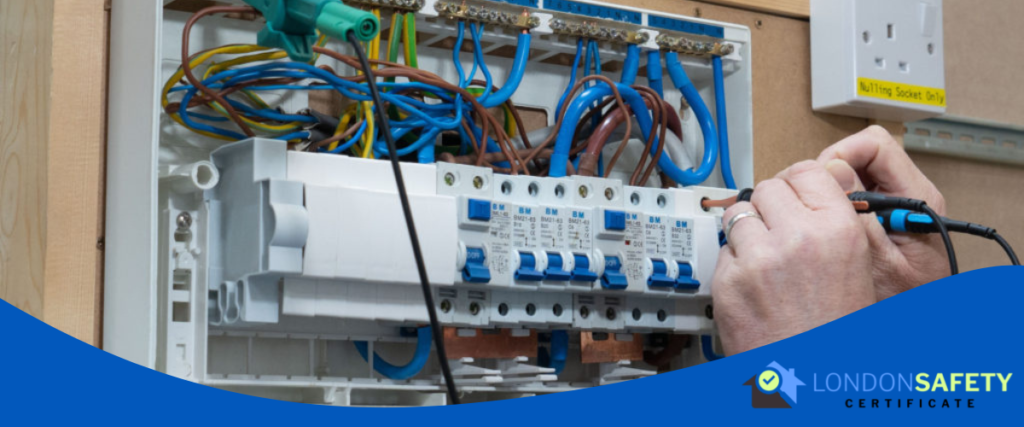
Imagine navigating through a labyrinth of wires, each carrying an important message about the safety of your home. In this complex network, the EICR C3 meaning plays a crucial role, acting as a signal for potential improvements. It doesn’t necessarily represent an immediate threat but signifies an opportunity to enhance the safety and efficiency of […]