Effective fire prevention and containment strategies are critical for ensuring the safety of both property and lives. Key practices include the careful management of combustible materials and the diligent maintenance of electrical systems to mitigate potential ignition sources. Moreover, the strategic placement of smoke detectors and the use of flame-retardant materials play pivotal roles in early detection and fire resistance. However, while these measures are fundamental, the human element—through comprehensive fire safety training—often determines the efficacy of the response when a fire occurs. What remains to be explored is how these strategies can be optimised in different environments to enhance their effectiveness.
Key Takeaways
- Regularly inspect and maintain electrical equipment to prevent malfunctions and overheating.
- Store flammable materials securely and away from heat sources.
- Install smoke detectors in strategic locations for early fire detection.
- Use flame-retardant materials in construction and furnishings to slow fire spread.
- Conduct fire safety training for occupants to ensure proper handling of combustible materials.
Demonstrate measures that prevent fires from starting
Effective fire prevention begins with understanding and implementing several key measures designed to stop fires before they ignite. Central to these measures is the meticulous management of combustible materials. Ensuring that flammable substances are stored in appropriate, secure containers away from heat sources significantly reduces risk.
Equally important is the maintenance of electrical equipment; frayed wires and overloaded circuits are common fire hazards that require regular inspection and immediate correction.
The installation of smoke detectors in strategic locations throughout a building provides early warning of fire, allowing for timely intervention. It is imperative that these devices are tested monthly and batteries replaced annually to ensure functionality.
In environments where fire risks are heightened, such as kitchens or industrial areas, additional precautions like installing fire suppression systems and using flame-retardant materials in construction are advisable.
Educational programs play a crucial role in fire prevention. Training individuals to recognise fire hazards and understand the correct use of fire extinguishing equipment empowers them to act decisively and responsibly.
Furthermore, clear, well-practiced emergency procedures enhance the ability of occupants to evacuate swiftly and safely, thereby minimising potential harm. Knowledge and vigilance are the cornerstones of effective fire prevention.

Fire safety procedure
Fire safety procedures are essential components of comprehensive fire prevention strategies. They encompass a range of practices designed to not only prevent the occurrence of fires but also to mitigate the risks associated with them should they occur. Effective fire safety procedures are critical in maintaining the safety of individuals and the integrity of structures.
Implementing the following key procedures can significantly enhance fire safety:
- Regular Maintenance and Inspection: Ensure that all fire safety equipment, including extinguishers, alarms, and sprinkler systems, are in optimal working condition through regular checks and maintenance.
- Clear and Accessible Escape Routes: Maintain clear pathways and exits free of obstruction to facilitate quick and safe evacuation in case of a fire.
- Proper Storage of Flammable Materials: Store flammable materials away from ignition sources and in accordance with safety regulations to minimise risk.
- Installation of Smoke Alarms: Strategically install smoke alarms in all critical areas of a building to provide early warnings, allowing for timely evacuation.
- Fire Safety Training: Conduct regular training sessions for all occupants on how to handle fire emergencies, including the use of fire extinguishers and evacuation procedures.
Adhering to these procedures not only enhances safety but also instills a culture of preparedness and responsibility toward fire prevention.
What 4 Actions would you take in the event of a fire
In the event of a fire, prompt and decisive action is crucial to ensure personal safety and minimise property damage. The following four actions are vital:
- Raise the Alarm: Immediately notify everyone in the building by activating the nearest fire alarm. This action ensures that all occupants are alerted and can evacuate promptly.
Additionally, call emergency services without delay, providing them with specific details such as the location and size of the fire.
- Evacuate Safely: Follow the pre-established evacuation plan. Avoid elevators and use stairs.
Close doors behind you to hinder the spread of fire and smoke, but do not lock them, as rescuers may need access. Proceed to the designated assembly point and do a headcount to ensure no one is missing.
- Use Fire Extinguishers (if safe): If the fire is small and contained, and you are trained, use a nearby fire extinguisher.
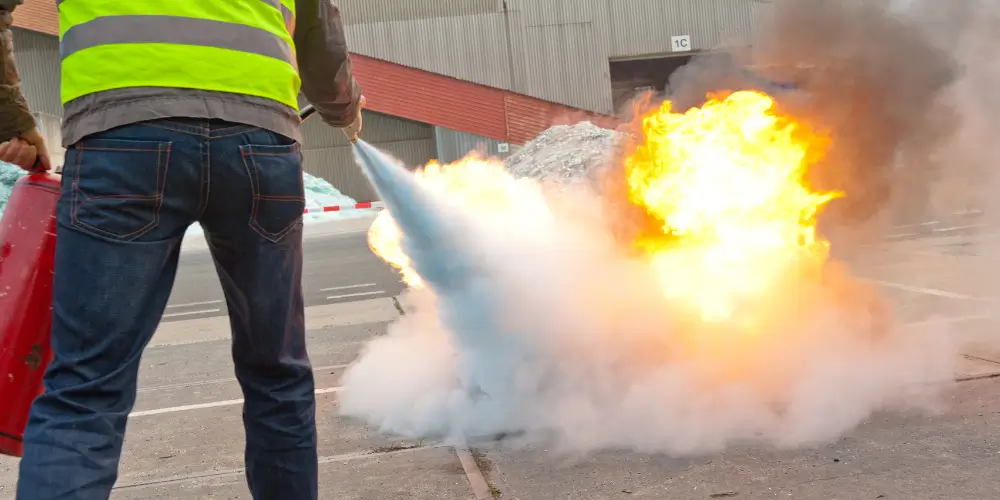
Attack the base of the flames using the PASS technique—Pull, Aim, Squeeze, and Sweep. However, prioritise evacuation over fighting the fire.
- Prevent Fire Spread: If possible and safe, close windows and doors to prevent drafts that could escalate the fire.
Do not attempt to retrieve possessions or re-enter the building until it is declared safe by authorities.
These structured actions are critical in maintaining safety and should be executed with urgency and precision.
State the possible causes of fire in the workplace
Understanding the various causes of workplace fires is essential for prevention and safety. Identifying these triggers allows for the implementation of effective strategies to mitigate risks.
Here are five common causes of workplace fires:
- Electrical Malfunctions: Faulty wiring, overloaded circuits, and the misuse of electrical equipment can ignite fires. Regular inspections and maintenance are crucial.
- Combustible Materials: The improper storage of flammable materials like paper, chemicals, and textiles can lead to fires. Ensuring these materials are well-organised and away from heat sources is vital.
- Equipment Overheating: Machinery that overheats can become a fire hazard. Implementing proper cooling systems and maintaining equipment can prevent overheating.
- Human Error: Accidental or careless handling of fire sources, such as cigarettes or matches, often causes fires. Comprehensive training and strict policies on open flames in the workplace are necessary.
- Arson: Intentionally set fires are a significant threat. Security measures, including surveillance and strict access controls, can deter such incidents.
Describe what to do in the event of a fire
Having outlined common causes of workplace fires, it is equally important to know the appropriate actions to take should a fire occur. Immediate and precise response can drastically reduce the impact of a fire, safeguarding both lives and property.
Initially, upon detecting a fire, activate the nearest fire alarm system to alert other occupants of the building. Immediately call emergency services by dialing the local emergency number, providing them with specific details about the location and nature of the fire.
Evacuation should be your next priority. Familiarise yourself with all exit routes and emergency exits in your workplace. During evacuation, stay calm and avoid using elevators; instead, use stairways. Close doors behind you to hinder the spread of smoke and fire.
If smoke has filled the hallways, crawl close to the floor to minimise inhalation of toxic gases. Gather at a pre-designated safe area away from the building to account for all personnel. Do not re-enter the building until it has been declared safe by fire authorities.
Instruct employees on the use of fire extinguishers, but emphasise that tackling small fires should never compromise personal safety. Regular fire drills and training can equip everyone with the knowledge to act effectively, ensuring minimal damage and safety for all.
Frequently Asked Questions
How Often Should Fire Extinguishers Be Inspected?
Are Smoke Detectors Required in All Workplace Areas?
What Is the Best Type of Fire Alarm for Homes?
How Does Humidity Affect Fire Risk?
Can Electrical Appliances Still Cause Fires When Turned Off?
Conclusion
In conclusion, effective fire prevention and containment strategies are critical in safeguarding lives and property. By securely storing combustible materials, regularly inspecting electrical equipment, and strategically installing smoke detectors, the initiation and spread of fires can be significantly mitigated. The adoption of flame-retardant materials and clear escape routes further enhances safety. Comprehensive fire safety training empowers occupants with the knowledge and skills to respond decisively, ensuring a higher level of preparedness in emergencies.