During a fire incident, all staff have a clear responsibility to raise the alarm, follow the fire procedure, evacuate safely, help only within the limits of their training, and report to the assembly point without re-entering the building.
That is the core answer.
In practice, staff responsibilities during a fire incident are not about improvising. They are about acting quickly, following the workplace fire procedure, and helping protect life. Every employee should know what to do if they discover a fire, what to do when they hear the alarm, where to go, who takes charge, and when not to take unnecessary risks.
Last Updated: 2026
Reviewed By: London safety Certificate Compliance Team
Key Takeaways
- Activate the fire alarm immediately to alert all occupants of the emergency.
- Assist in guiding everyone to safe exits, especially those needing extra help.
- Maintain calmness and composure to set a positive example during evacuation.
- Ensure all rooms and areas are cleared before exiting the building.
- Avoid re-entry into the building until it is declared safe by authorities.
Staff Responsibilities During a Fire Incident
All staff should understand the basic responsibilities expected of them in a fire emergency.
| Stage | What staff should do |
|---|---|
| Fire discovered | Raise the alarm immediately and follow the emergency procedure |
| Alarm sounding | Stop work and evacuate by the nearest safe exit |
| During evacuation | Stay calm, do not delay, and assist others only if trained or instructed |
| At the assembly point | Report in, remain accounted for, and wait for further instructions |
| After evacuation | Do not re-enter the building until authorised |
These responsibilities apply across most workplaces, although some settings, such as care homes, hospitals, factories, and high-risk premises, may have additional arrangements for specific staff roles.
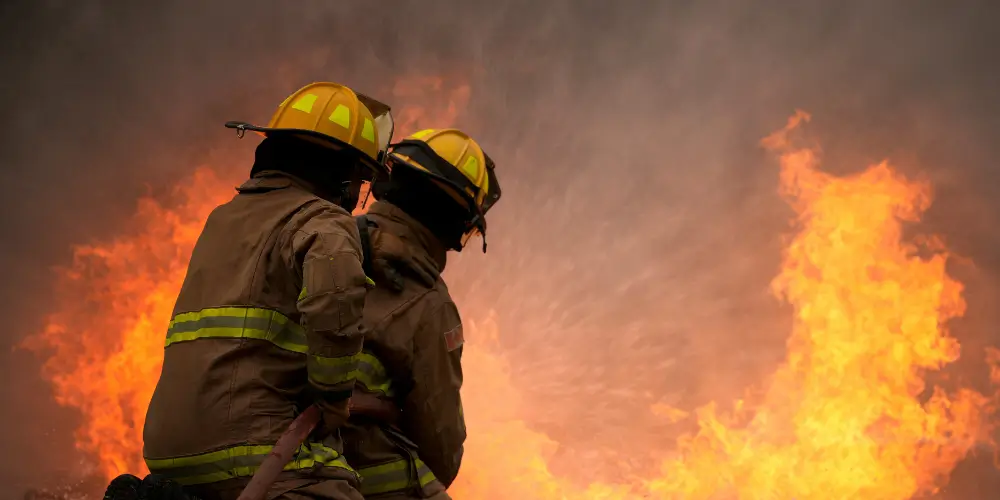
What Responsibilities Do All Staff Have During a Fire Incident?
During a fire incident, all staff are required to prioritise safety and respond promptly according to established emergency procedures. This encompasses a series of well-defined responsibilities that are critical to the safety and well-being of all individuals present within the facility.
All staff have a duty to respond properly and without delay. That usually includes:
- raising the alarm as soon as fire or smoke is discovered
- following the site fire procedure
- leaving the area by the nearest safe escape route
- closing doors behind them if safe to do so
- going to the designated assembly point
- reporting to the person in charge or fire warden
- not using lifts unless the procedure specifically allows it
- not stopping to collect personal belongings
- not re-entering the building until told it is safe
The most important responsibility is always the protection of life. Staff should not take unnecessary risks or behave as though the fire is someone else’s problem.
What Actions Should Be Taken on Discovering a Fire?
When a fire is discovered, staff should follow a simple and disciplined sequence:
- Raise the alarm immediately
- Call emergency services if the procedure requires it
- Leave by the nearest safe route
- Warn others only if this can be done without delay or personal risk
- Go to the assembly point
- Report any important information to the person in charge
If the fire is very small, and a trained person can use the correct extinguisher without putting themselves at risk, it may be tackled. Even then, life safety comes first. Staff should never stay behind to fight a fire if that puts them in danger. For the wider fire risk assessment process behind emergency procedures, see fire risk assessment must cover the following steps.
In the Event of a Fire, What Is the Most Important Responsibility?
The most important responsibility is to protect life by raising the alarm and following the evacuation procedure.
That is more important than trying to save stock, equipment, paperwork, or personal belongings. It is also more important than trying to act like a hero. A fire procedure exists so that people respond in a safe, consistent way rather than making rushed decisions under pressure.
How many fire marshals should there be in your workplace
The number of fire marshals required in a workplace depends on several factors, including the size and complexity of the building, the nature of the work conducted, and the typical number of people present. Ensuring there are sufficient fire marshals is crucial for executing effective emergency responses. The roles filled by these individuals are critical; they help in evacuating the premises, ensuring that fire safety protocols are observed, and assisting in the containment of small fires, if safe to do so.
When determining the optimal number of fire marshals, it is essential to consider various building-specific and operational parameters. Below is a strategic outline in table format that illustrates typical scenarios and corresponding recommendations for the number of fire marshals:
| Factor | Suggested Number of Fire Marshals |
|---|---|
| Small office (<50 people) | At least 2 |
| Medium facility (50-200 people) | At least 4 |
| Large facility (>200 people) | At least 6 |
| High-risk environments (chemicals, flammable materials) | At least 10 |
| Shift work (multiple shifts) | At least 2 per shift |
It is advisable to review these numbers in the context of specific local regulations and the unique risk assessments of each workplace. Furthermore, training and drills should be conducted regularly to ensure that each fire marshal is equipped with the necessary skills and knowledge to act decisively and efficiently during a fire incident. This proactive approach not only complies with safety standards but also significantly enhances the resilience of your workforce in facing such emergencies.
What Are Employees’ Legal Responsibilities Under Fire Law?
Employees have specific legal obligations under fire safety law, which are crucial for maintaining safety in the workplace. These responsibilities are not merely guidelines but are mandated by law to ensure a collective effort in fire safety management.
Employees are expected to cooperate with workplace fire safety arrangements and follow the fire procedures in place.
In practical terms, that means staff should:
- ollow fire safety instructions and training
- cooperate with the employer’s fire safety arrangements
- report fire hazards and unsafe conditions
- avoid blocking exits or interfering with fire safety equipment
- take part in drills, inductions, and training
- respond properly during a real fire incident
Employees are not expected to design the fire safety system themselves, but they are expected to follow it properly and not undermine it through poor behaviour or neglect. For the order in which stronger fire controls should be applied, see what comes first in the hierarchy of fire protection.
Staff Responsibilities During Evacuation
During evacuation, staff should act in a way that helps the building clear quickly and safely.
That means:
- leaving immediately when the alarm sounds
- staying calm
- following the escape route
- not turning back unless instructed by trained personnel
- assisting visitors or vulnerable people if required and if safe
- reporting to the assembly point
- remaining available for roll call or accountability checks
In buildings with fire wardens, marshals, or sweep teams, those people may have extra duties. Ordinary staff should still cooperate fully and not create confusion.
Who Takes Charge of the Situation?
In most workplaces, overall control during a fire incident rests with the responsible person, the designated fire warden or marshal, the incident controller, or the relevant senior person identified in the fire procedure.
That does not remove responsibility from other staff. All employees still have to follow the emergency procedure, evacuate properly, and cooperate with those leading the response.
When the Fire Service Arrives, Who Should Liaise With Them?
The person who liaises with the fire service is usually the designated responsible person, senior manager, fire warden, incident controller, or another named person in the fire procedure.
That person should be ready to provide key information such as:
- whether everyone is accounted for
- where the fire was reported
- whether there are any missing persons
- whether there are high-risk areas or stored hazards on site
- whether evacuation is complete
This should not be left to guesswork. The workplace fire procedure should make it clear who has that responsibility.
Who Is Responsible for Using a Fire Extinguisher?
A fire extinguisher should only be used by someone who is trained, confident, and able to do so without putting themselves at risk.
Not every member of staff is expected to tackle a fire. In many workplaces, the priority is evacuation, not firefighting. Extinguishers are for small, manageable fires in the early stages, and only where the correct extinguisher is available and the person using it has a safe escape route behind them.
No employee should feel pressured to fight a fire if it is unsafe to do so.
Who Is Responsible for Fire Safety Awareness?
The employer or responsible person must make sure fire safety arrangements, training, and information are in place, but all staff share responsibility for maintaining fire safety awareness in practice.
That means staff should:
- pay attention during training and induction
- follow the fire procedure
- report hazards promptly
- understand alarms, exits, and assembly points
- take drills seriously
Fire safety awareness is strongest when it is treated as a shared responsibility rather than something left only to management. For common workplace risks that staff should recognise and report, see fire hazards in the workplace.
What 4 actions would you take in the event of a fire
Upon discovering a fire, it is crucial to act swiftly and decisively to ensure safety and minimise damage. Every staff member should be aware of the fundamental actions to undertake in such critical situations. These actions are designed not only to protect the individual but also to safeguard colleagues and property.
The first immediate action is to Sound the Alarm. This involves activating the nearest fire alarm and verbally alerting others in the vicinity. Ensuring everyone is aware of the danger is essential for a prompt and organised evacuation.
Next, it is vital to Call Emergency Services. Even if you believe the fire alarm system automatically notifies them, a direct call to the local fire department can provide them with valuable specifics about the situation.
Evacuate the Area efficiently, using the pre-defined escape routes. Staff should assist others in the evacuation, paying special attention to individuals with disabilities or those who might require additional help.
Lastly, if trained and it’s safe to do so, Use a Fire Extinguisher to tackle the fire. This action should only be taken if the fire is small and manageable, and the person is confident in their ability to use the extinguisher effectively.
Here is a structured overview of these actions:
| Action | Description |
|---|---|
| Sound the Alarm | Activate fire alarms and verbally alert others. |
| Call Emergency Services | Directly inform fire services, providing details about the fire. |
| Evacuate the Area | Leave the building via safe routes, assisting others. |
| Use a Fire Extinguisher | If trained and safe, attempt to extinguish the fire. |
Adhering to these steps can significantly contribute to the safety and well-being of everyone involved.
NHS, Care, and Healthcare Settings
In NHS, healthcare, and care settings, the same core principles still apply, but staff responsibilities can be more complex because patients, residents, or vulnerable people may not be able to evacuate without help.
That is why these settings often rely heavily on:
- compartmentation
- phased evacuation
- staff training
- alarm response procedures
- coordinated team roles
In those environments, staff may have specific duties linked to patient safety, evacuation support, or internal emergency procedures. Even so, the basic responsibility to raise the alarm, follow procedure, and protect life remains the same.
Common Mistakes Staff Should Avoid During a Fire Incident
Poor decisions during a fire incident can make the situation worse very quickly. Staff should avoid:
- ignoring or delaying the alarm
- going back for belongings
- using lifts against procedure
- opening doors unnecessarily
- trying to tackle a fire beyond their training
- wandering away from the assembly point
- re-entering the building without authorisation
Discipline and clarity matter. The safest response is the one that follows the procedure properly.
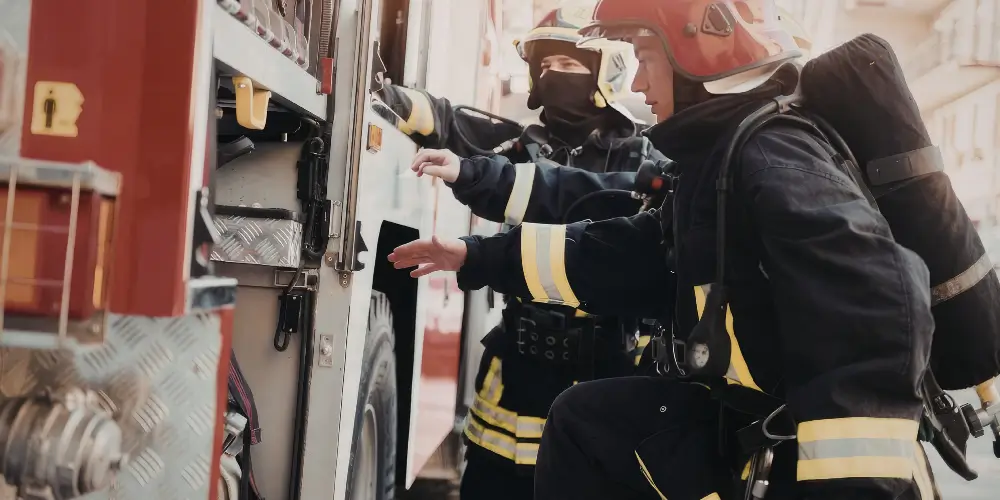
Who is responsible for fire safety awareness
Who holds the duty for ensuring fire safety awareness in the workplace? This responsibility is primarily vested in the hands of organisational leadership, including upper management and dedicated safety officers.
However, fostering an environment of fire safety awareness is a collective responsibility that extends to every employee.
Management’s role includes establishing, promoting, and maintaining a fire safety protocol that aligns with local and national fire safety regulations. They are tasked with ensuring that all employees are familiar with these protocols, which typically involves arranging regular training sessions, drills, and dissemination of informational materials.
Moreover, management must guarantee that fire safety equipment is available, functional, and accessible, and that the facility complies with fire safety codes to mitigate risks.
Safety officers, specifically, play a crucial role. They are responsible for coordinating and implementing the fire safety measures adopted by management. Their duties include conducting regular audits, identifying potential hazards, and addressing them promptly.
They also maintain records of fire safety practices and equipment checks to ensure compliance and readiness.
Every employee, meanwhile, must engage with these efforts actively. This includes participating in scheduled fire drills, understanding and complying with the organisation’s fire safety policies, and maintaining constant vigilance to identify and report potential fire hazards.
Employees should also be trained in the use of fire extinguishers and other safety equipment.
Ultimately, while leadership provides the tools and protocols for fire safety, a truly effective fire safety awareness culture depends on the proactive engagement of every staff member.
Final Answer
All staff have responsibilities during a fire incident. They must raise the alarm, follow the emergency procedure, evacuate safely, go to the assembly point, and cooperate with the people managing the response.
If they discover a fire, the first priority is to raise the alarm and start the emergency process. If they hear the alarm, they must leave by the nearest safe exit without delay. If they are trained and it is safe to do so, they may use firefighting equipment on a small fire, but life safety always comes first.
The overall goal is simple: protect life, follow the fire procedure, and do not take unnecessary risks. For practical day-to-day fire prevention measures, see describe practices that prevent fires from starting.
Frequently Asked Questions
What responsibilities do all staff have during a fire incident?
What should an employee do first when there is a fire?
What actions should be taken on discovering a fire?
What are employees’ legal responsibilities under fire law?
Who is responsible for using a fire extinguisher?
In the event of a fire, what is the most important responsibility?
When the fire service arrives, who should liaise with them?
How many fire marshals should there be in a workplace?
Conclusion
In conclusion, during a fire incident, it is imperative that all staff members adhere to established safety protocols. This includes activating fire alarms, guiding evacuations, and ensuring all areas are cleared of occupants. Staff must remain calm to manage the situation effectively and prevent panic. It is also crucial that no one re-enters the building until it has been declared safe by the authorities, underscoring the importance of strict adherence to safety measures to protect all individuals involved.